An editorially shortened version of this interview was first published in issue 18 of The Art Newspaper Türkiye, dated November 2025, in the Non-Architect column (pp. 62-63). The fuller original text appears here.
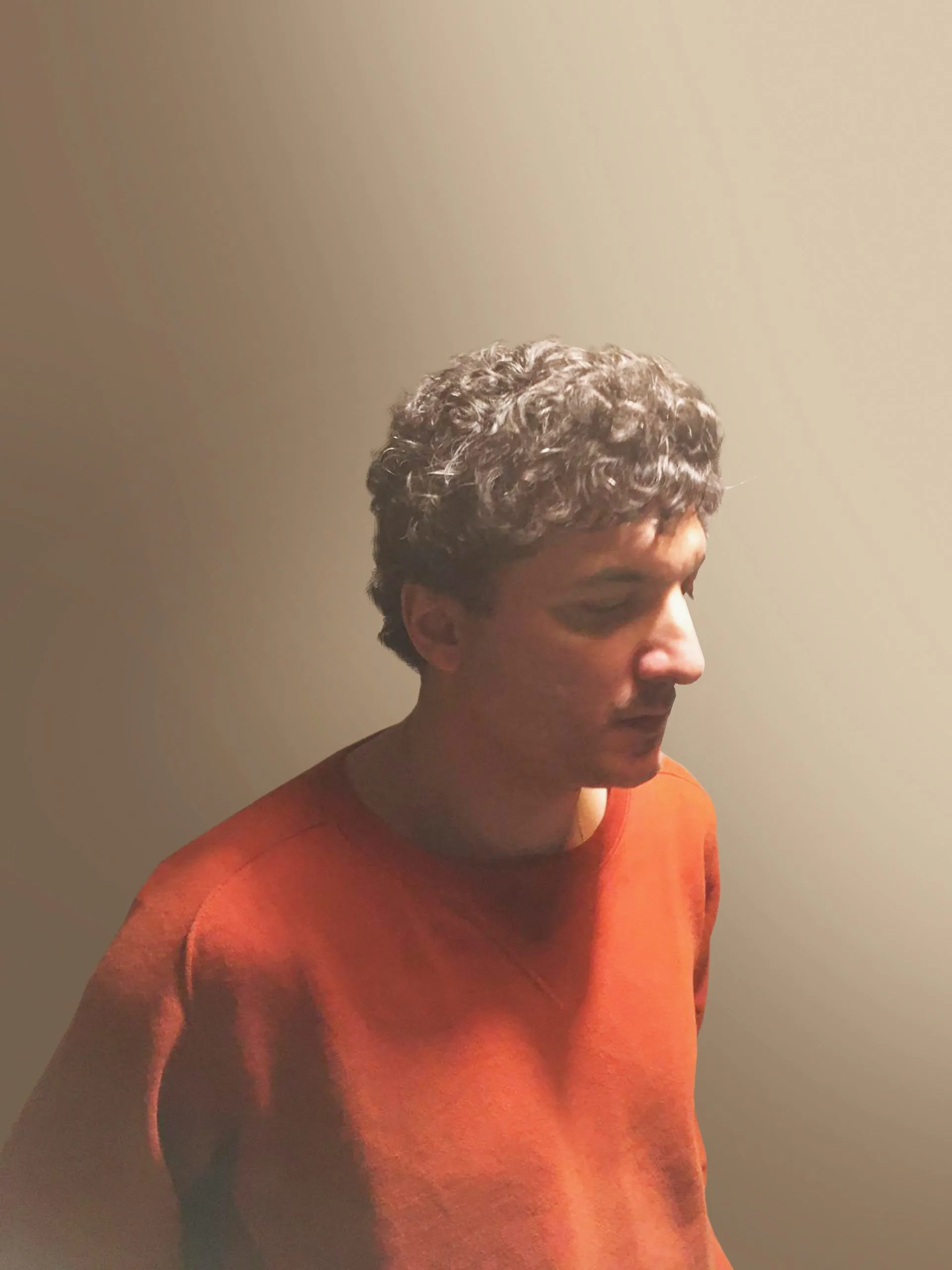
I met Ahmadreza Schricker for the first time this year, in the southeast of Türkiye, in a harsh geography, in Reyhanlı. During the two days we spoke about architecture, in a border town, talking about how we look at architecture, about our pasts and our uncertain futures, I noticed that we had a great many things in common. In those days I understood once again that geography is fate, and that it is also an invisible bond, one that cannot be held in the hand.
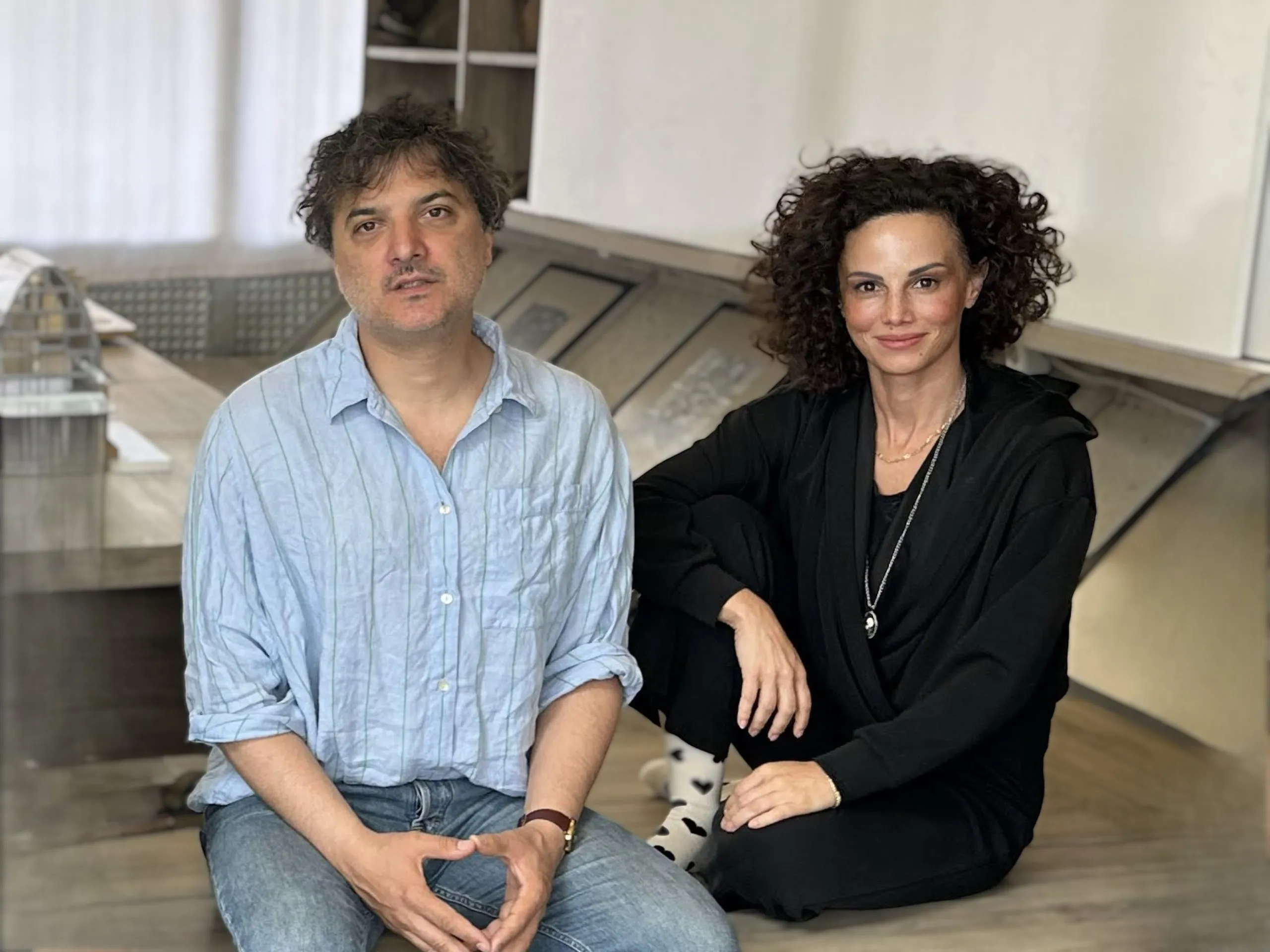
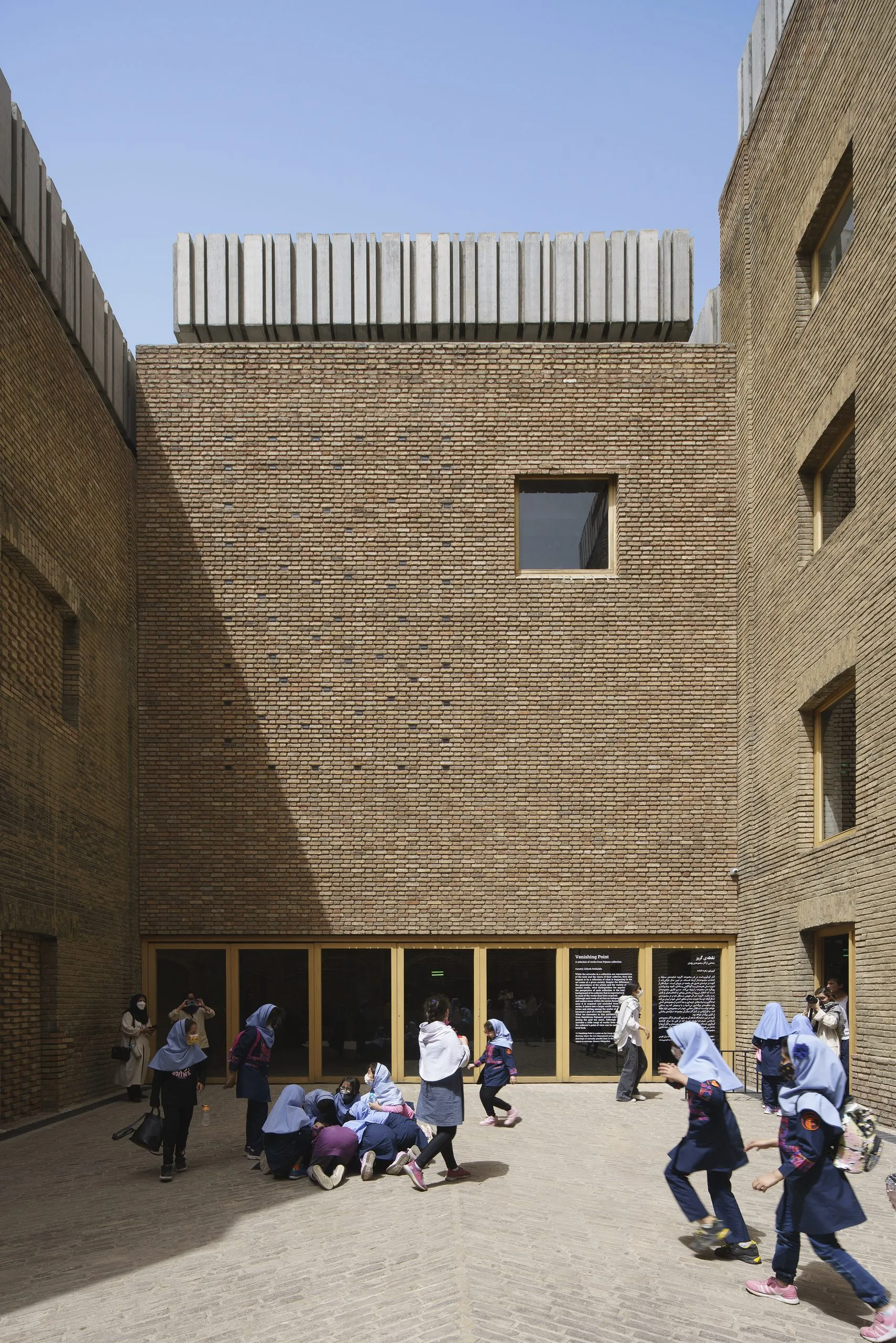
When I met him, I knew that he was the architect of the Argo Contemporary Art Museum and Cultural Centre, the first contemporary art museum built in Tehran after a gap of seventy years. I did not have a clear idea of the architectural practice behind that building.
Ahmadreza was educated in the most respected schools of architecture and worked in the best-known offices. I saw that, as someone who has lived in New York for many years, he has internalised the rhythm of the West, and that he has also kept a deep intuition and sensitivity that belong to the geography we share.
Perhaps because I too am someone who carries east and west in the same body, and because, like almost every person of this geography, I have had to grow stronger by coming through contradictory states, I have always found the strength, the endurance and the capacity for empathy of people who hold more than one culture and geography inspiring. Ahmadreza, shaped by two cultures in conflict, is also someone who can look at the world through more than one lens, and who can make that plurality inherent both in his life and in his architecture.
Through this short interview, together with you, I too found the chance to know him more closely, and to enter the depths of his personal and architectural story. This journey, which begins in Iran, continues in New York, and is completed by a return to Iran in adulthood, in a sense recalls the story of Odysseus. As in every mythological narrative, this journey also transforms the hero. Even if one returns home, the hero who set out has changed. The one who left and the one who returned are no longer the same person. We will soon see Ahmadreza Schricker, winner of the 2022 Aga Khan Award for Architecture, who still practises architecture intensively in Iran, in our country as well. Schricker will be in Türkiye in November, with the work titled "Towards a New Virtuality", to be shown within the Antalya Architecture Biennial.
Ahmadreza Schricker moves fluidly between east and west, art and architecture, virtual and physical worlds. Before founding his practice ASA North, Schricker studied fine arts, and in 2008 he completed his master's degree in architecture at Harvard University. After graduation he worked first in the office of Herzog & de Meuron in Basel, then with Rem Koolhaas at OMA*AMO in New York, and he took on the design direction of many important projects on the American continent. After leaving OMA he founded ASA North, again based in New York. He still produces projects intensively in Iran as well.
Through the office he founded, ASA North, and its virtual extension, ASA South, Schricker questions the limits of architectural practice with an approach that swings between physical space and digital imagination. The Argo Contemporary Art Museum and Cultural Centre, which came into being by turning a hundred-year-old brewery in Tehran into a contemporary art museum, and which won the Aga Khan Award, stands out both as an act of renewal and of intellectual confrontation, and as a personal and social architecture of "return".
In these days, when polarisation is harsher than ever and the political climate is more savage than ever, we had a short conversation about how he looks at architecture, and about the architecture of return, with Ahmadreza Schricker, who refuses to remain in limbo and prefers to swing between two worlds.
Banu Uçak: Your architectural career, especially after the Argo Contemporary Art Museum and Cultural Centre, moves between two worlds: East and West, Tehran and New York. What did it mean for you, personally and architecturally, to swing between these two extremely tense, high-pressure poles, and to return to the land where you were born, Iran, in order to practise architecture? How did this "return" reshape your practice?
Ahmadreza Schricker: I have always felt that I was suspended between these two worlds. In the East there is a deep respect for origin and for the past, as in that tragic story told in the Shahnameh. The hero Rostam kills his own son Sohrab on the battlefield without knowing it. Father and son realise who the other is only at the moment of death. This fatal bond that the East builds with the past represents the unshakable loyalty a person feels toward their origin. In the West we see the counterpart in Sophocles' Oedipus Rex: there, this time, the son kills his father without knowing it. One is like the tragic echo of loyalty to the past. The other is like the tragic echo of the desire to create the new. Returning to Iran let me feel the tension between these two extremes more closely. It is as if, this time, Sohrab reverses Rostam's fate, and tries to go beyond his father by crossing the limits of the past. Our production exists exactly inside this tension. We try to hold the two forces together, and to balance them.
Banu Uçak: You often speak of ASA North and ASA South as the two main directions of a compass. One works on physical spaces, the other on virtual reality and digital spaces. Can you open up a little how these two worlds speak to each other? What kind of creative tension, or dialogue, arises between them?
Ahmadreza Schricker: The dialogue between these two worlds lets me discover what might be possible in both fields. In 2020, while I was designing a digital museum from scratch for the first time, for The iii, the revolutionary virtual museum founded by the Mohammed Afkhami Foundation and dedicated to contemporary Iranian artists from all over the world, it led me to found a new structure focused on the "virtual" field, ASA South.
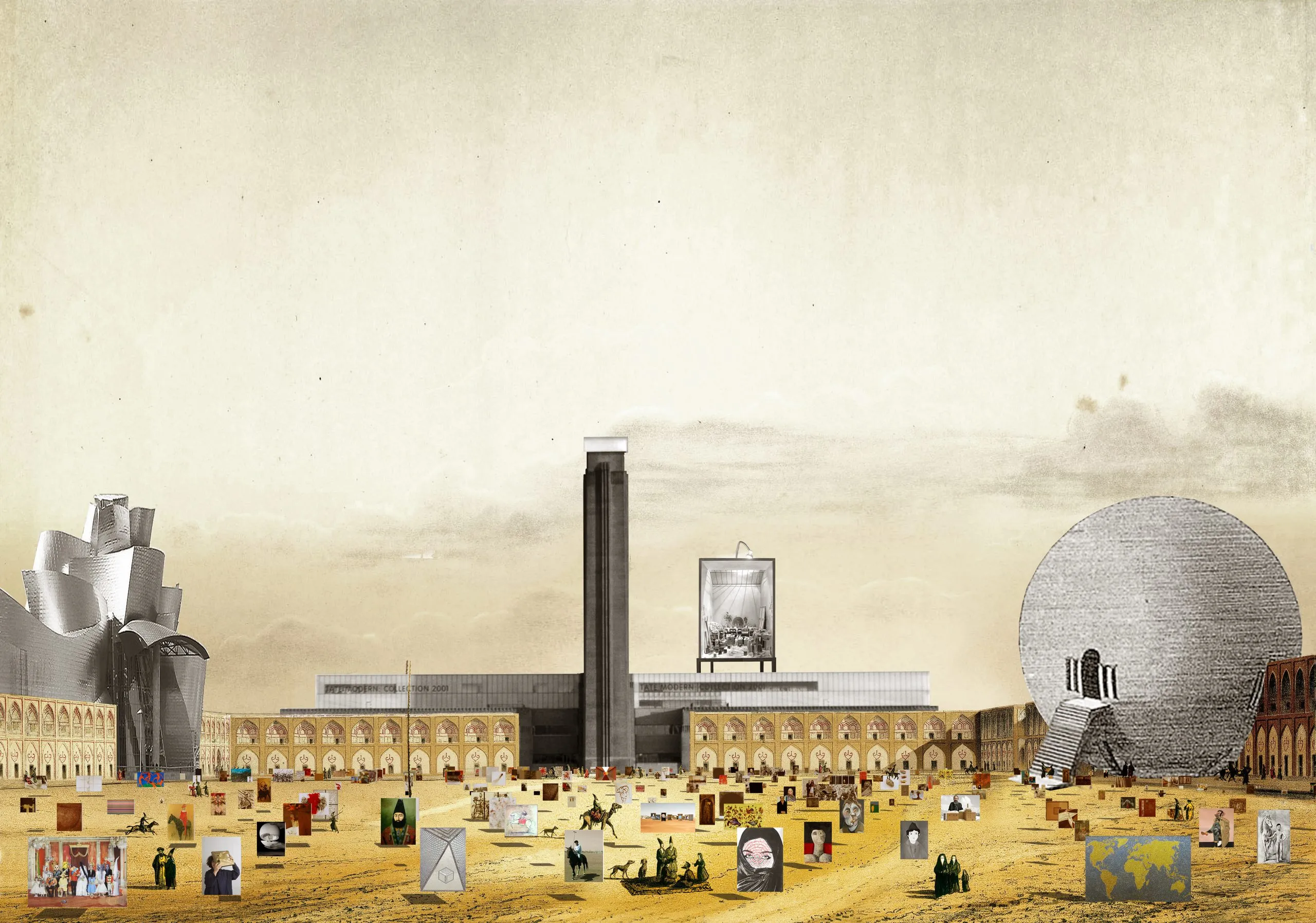
We tried to reconsider the relationship the visitor builds with art, through the possibilities of the digital world. In this project, space behaves like a living organism that responds to the presence of the viewer. Each work of art is experienced inside an atmosphere and a rhythm of its own. This interactive arrangement brings the limits of the digital world together with cultural memory, and creates a new context that both protects art and transforms it.
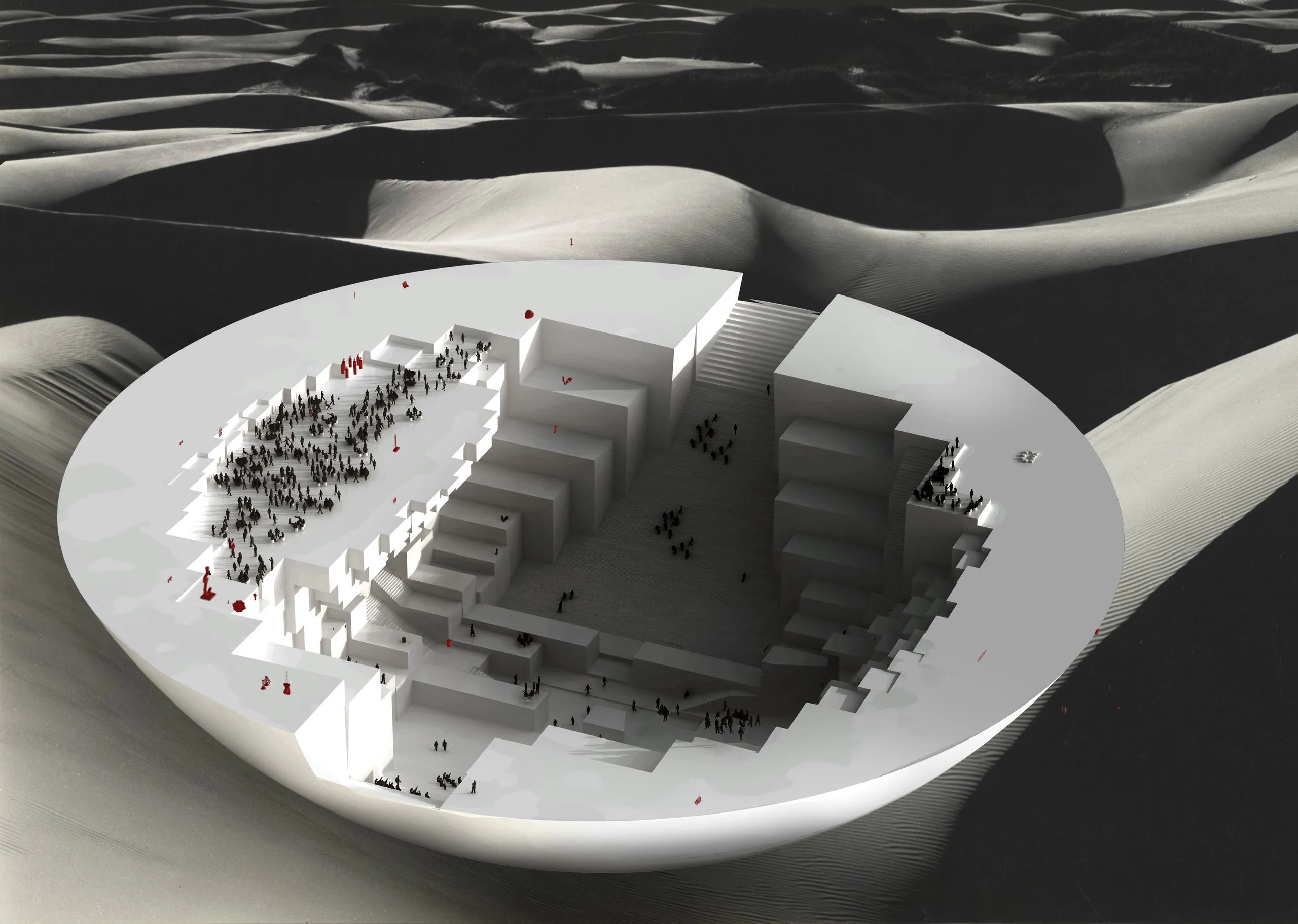
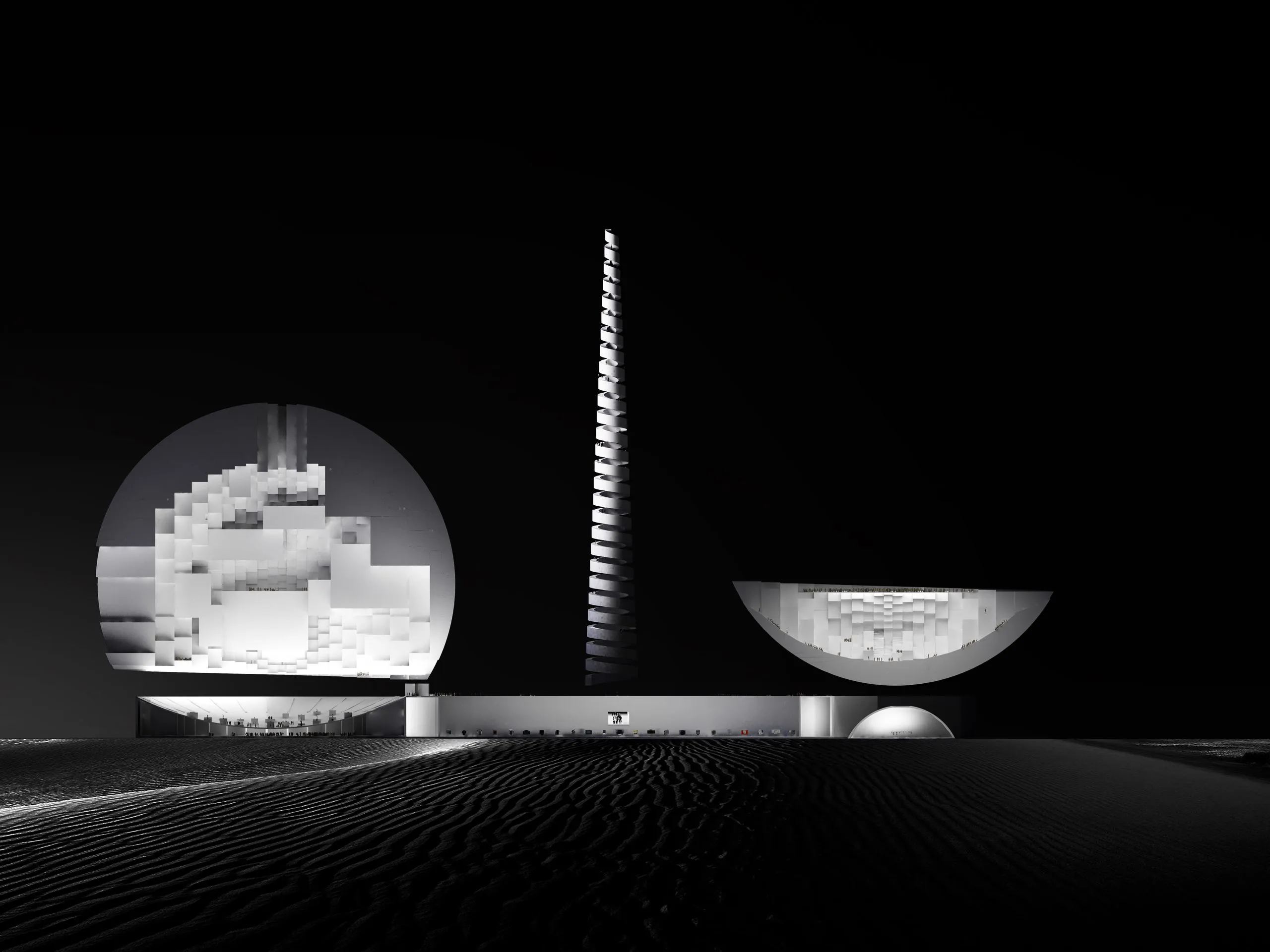
When we think of the dizzying speed of change in the world of artificial intelligence, it is impossible not to question the role of architecture in this field. ASA North, with its team of architects, engineers, curators and researchers, continues to focus on the "physical" world.
Banu Uçak: The Argo Contemporary Art Museum and Cultural Centre is a project of adaptive reuse. When you speak about this building, you often use the phrase "giving a building a second chance". What does "a second chance" mean, both for architecture and for cities with a deep past, such as Tehran and Istanbul?
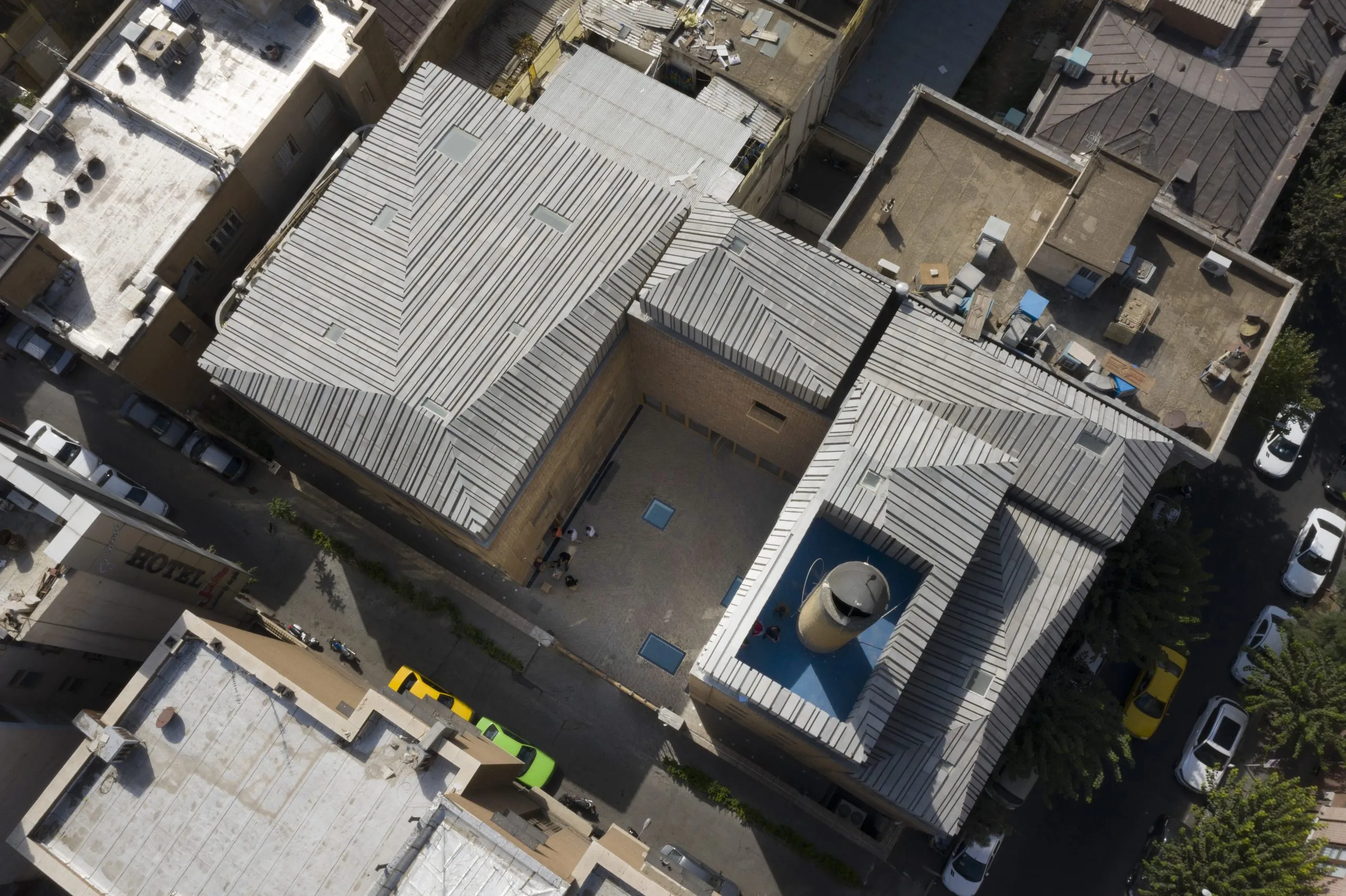
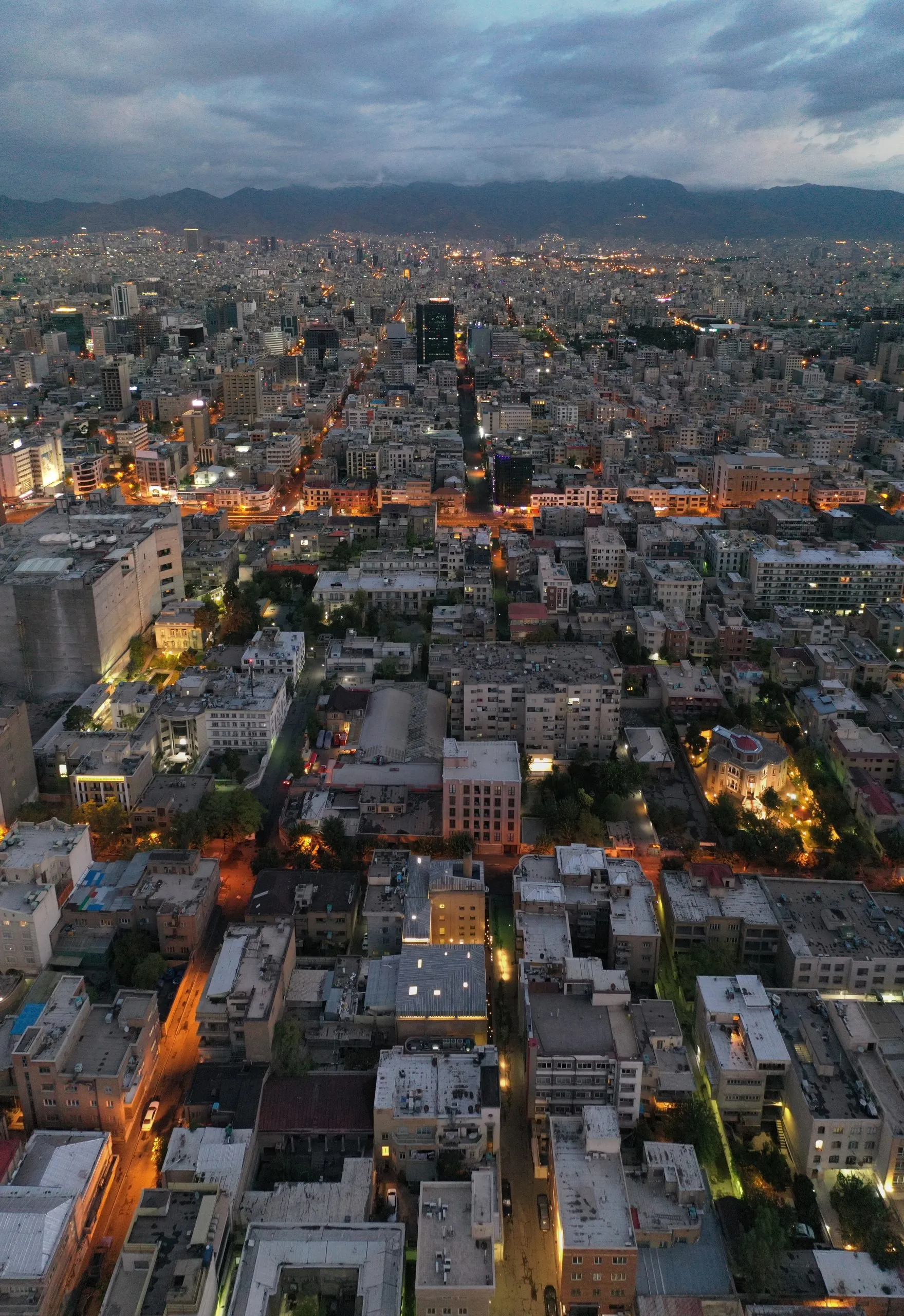
Ahmadreza Schricker: Second chances are complicated. By their nature they also contain failure, because you try to build a new relationship with something that already has a character and a past. I like this sentence of Oscar Wilde: "I like men who have a future and women who have a past." I feel the same way about buildings. I believe that, while you give them a future, you must respect their past.
Banu Uçak: One of the basic questions of architecture is how culture and geography shape context. In geographies with deep, strong and complex identities, such as Türkiye or Iran, the starting point of design, that is "where one should begin", is not always clear. As an architect trained in the West, how did the method and the way of thinking you learned there change in a context with dense historical and political layers, such as Iran?
Ahmadreza Schricker: In geographies with strong identities, such as Türkiye and Iran, I do not see context as something one must adapt to. I see it as a phenomenon that must be questioned. What makes these places fascinating is exactly that their identities are unstable, layered with history, politics and global effects. Architecture, in this sense, becomes a lens for examining these contradictions, more than a tool for resolving them.
Banu Uçak: In recent years, contemporary Iranian architecture has become more and more visible on the global stage, especially through international award programmes. Seen from a distance, it gives the impression of a scene based on a strong tectonic, on mastery, and on a sense of solidarity among architects. As someone who observes both from inside the region and from outside it, how do you assess this architectural scene today?
Ahmadreza Schricker: You know, the thing that fascinates me most about what is happening in Iran right now is this. A kind of "reverse engineering" approach, visible both in the design process and in the construction process. I mean a harmony that forms of itself between architecture and daily life.
Banu Uçak: ASA North blurs the boundaries between architecture and art by collaborating with artists and writers. What do you think architecture can borrow from art, or the reverse, what can art learn from architecture?
Ahmadreza Schricker: I think art and architecture share the same curiosity: the desire to understand how we perceive the world. Architecture has to deal with a set of functional constraints, like "plumbing". Contemporary art, most of the time, moves in a completely free field. It does not have to concern itself with "plumbing". Perhaps the real potential does not lie in what one can borrow from the other. It lies in how they make each other's limits visible. When architecture tries to be art, it often fails. But when it accepts its own constraints, it reminds us that buildings are not only objects. They are experiences.
Banu Uçak: You worked both with Herzog & de Meuron and with OMA*AMO, and you also studied at Harvard University. How did these experiences shape your understanding of architecture? As an architect who now runs his own office, how do the ideas and methods you gained in that period respond when you meet different scales, clients and geographies?
Ahmadreza Schricker: All of these experiences taught me to see knowledge not as a result, but as a continuous process of learning again.
Banu Uçak: Your work often swings between reuse, rediscovery and innovation. How do you balance the ethics of conservation with the desire to experiment?
Ahmadreza Schricker: Frankly, I do not believe that ethics and experimentation can be in balance. In processes of adaptive reuse I let these two concepts meet, collide, and challenge each other, because I think they are in fact a whole. Sometimes to reuse is as innovative as to create.
Banu Uçak: The installation "Towards a New Virtuality" at the Antalya Architecture Biennial takes up the "state of being in between", between the physical and the digital, between presence and absence. What does the concept of "a new virtuality" mean for you in terms of architecture? How do you think this condition affects the way we design and experience space today?
Ahmadreza Schricker: From the beginning, architecture has always existed simultaneously in virtual and physical fields: somewhere between drawing and building, between memory and imagination. Today virtual space is no longer only a poetic expression. It is shaped by immaterial conditions, policies and contradictions. With this installation we wanted to create a kind of rehearsal space for that reality. We imagined a place where visitors could leave traces that accumulate over time. By touching, turning, drawing, arranging, even by intervening roughly, they would be able to make the space their own.
Banu Uçak: Winning the Aga Khan Award for Architecture with the Argo Contemporary Art Museum and Cultural Centre made both you and ASA visible at an international scale. How did this experience, and being part of the network and community of the Aga Khan Award, affect you personally and professionally? How did this process change the way you look at architecture, or at your own practice?
Ahmadreza Schricker: This award was a great honour, but more than that, for me it was a moment of being able to breathe. The Aga Khan Award for Architecture is unique because it recognises not only the form of architecture, but also its social and cultural dimensions. I also like that it honours the client, because good architecture always begins with trust, with someone who believes in an idea, and if possible it serves a community. Architecture can never be a singular act. The Aga Khan Award programme makes it clear that every building is a collaboration, the product of a shared vision, of resources and of context. Among architecture awards, this approach is quite rare.
Let me give you an example from another project that is not directly related to the Aga Khan Award. This example too shows that architecture is never an isolated act. Even the most ambitious and the most impressive projects can make the fragile ecology of architecture visible. The house on Indian Creek Island in Miami, one of the early projects of ASA North, began with the client's desire for freedom, courage and unlimited creativity. It was almost a private utopia. But the project was stopped because of conditions we had no control over, because of the political fluctuations and economic instabilities of 2016. In architecture, freedom is often something that depends on conditions.
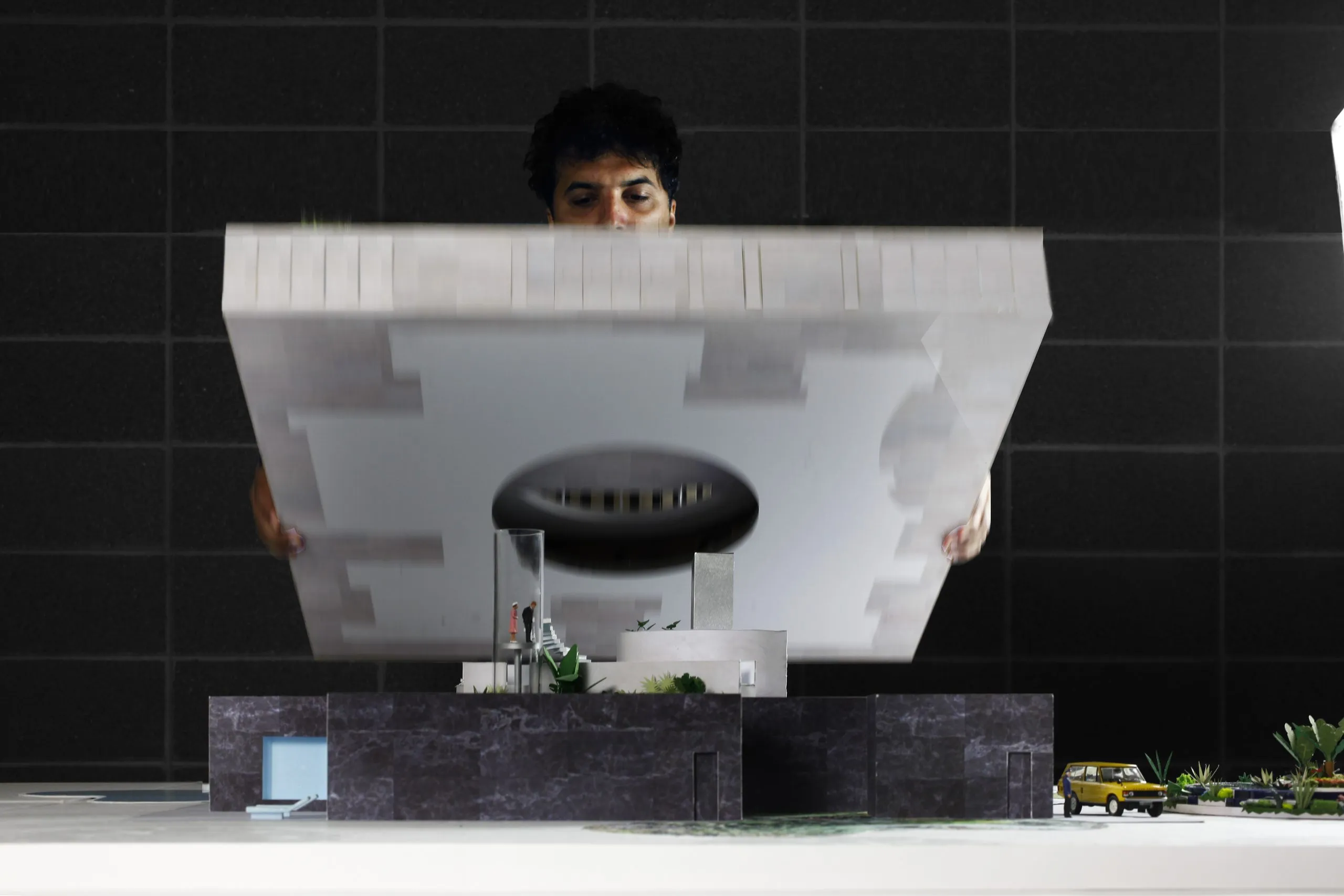
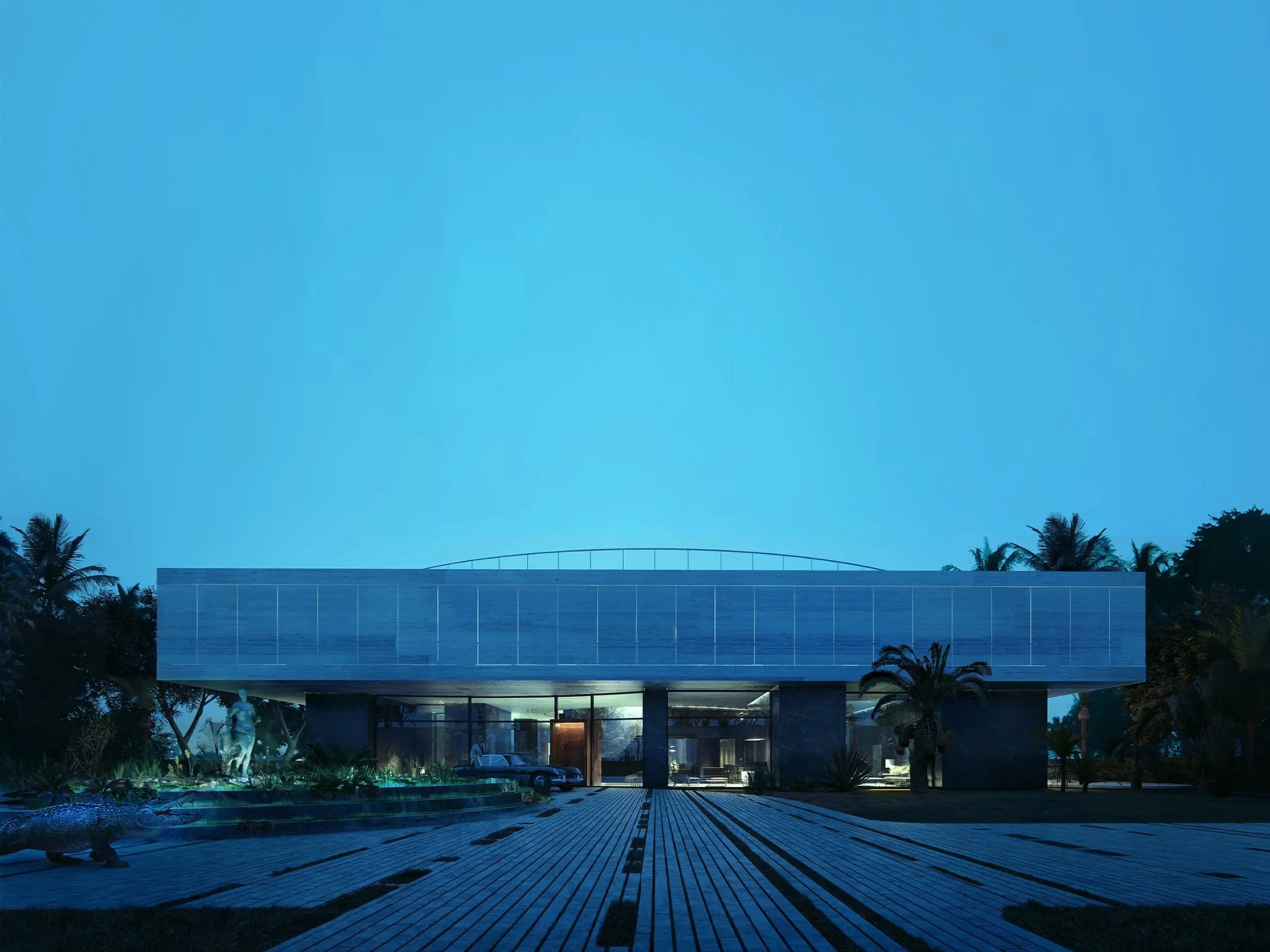
The Argo Contemporary Art Museum and Cultural Centre, however, was born by defying every impossibility. The same economic and political factors, international sanctions, a global pandemic and a rial that was losing value rapidly, affected the development of the project directly. Despite all of this, we were able to complete the project thanks to a collective insistence. Argo took body as a weave made of insistence and vision, like a story written by a hundred different authors. The shared bond that held us all together was our desire to make the old "new" again.
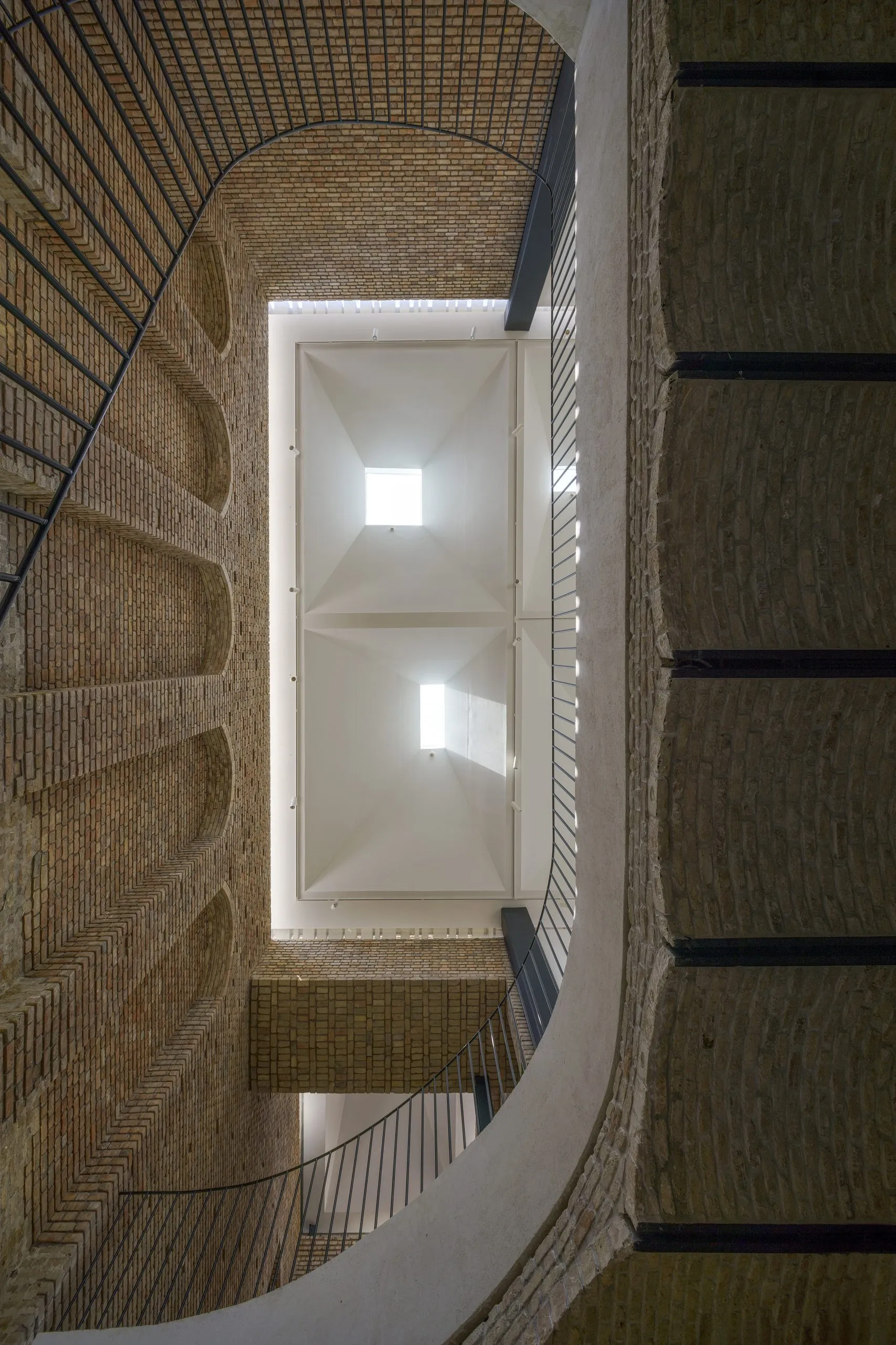
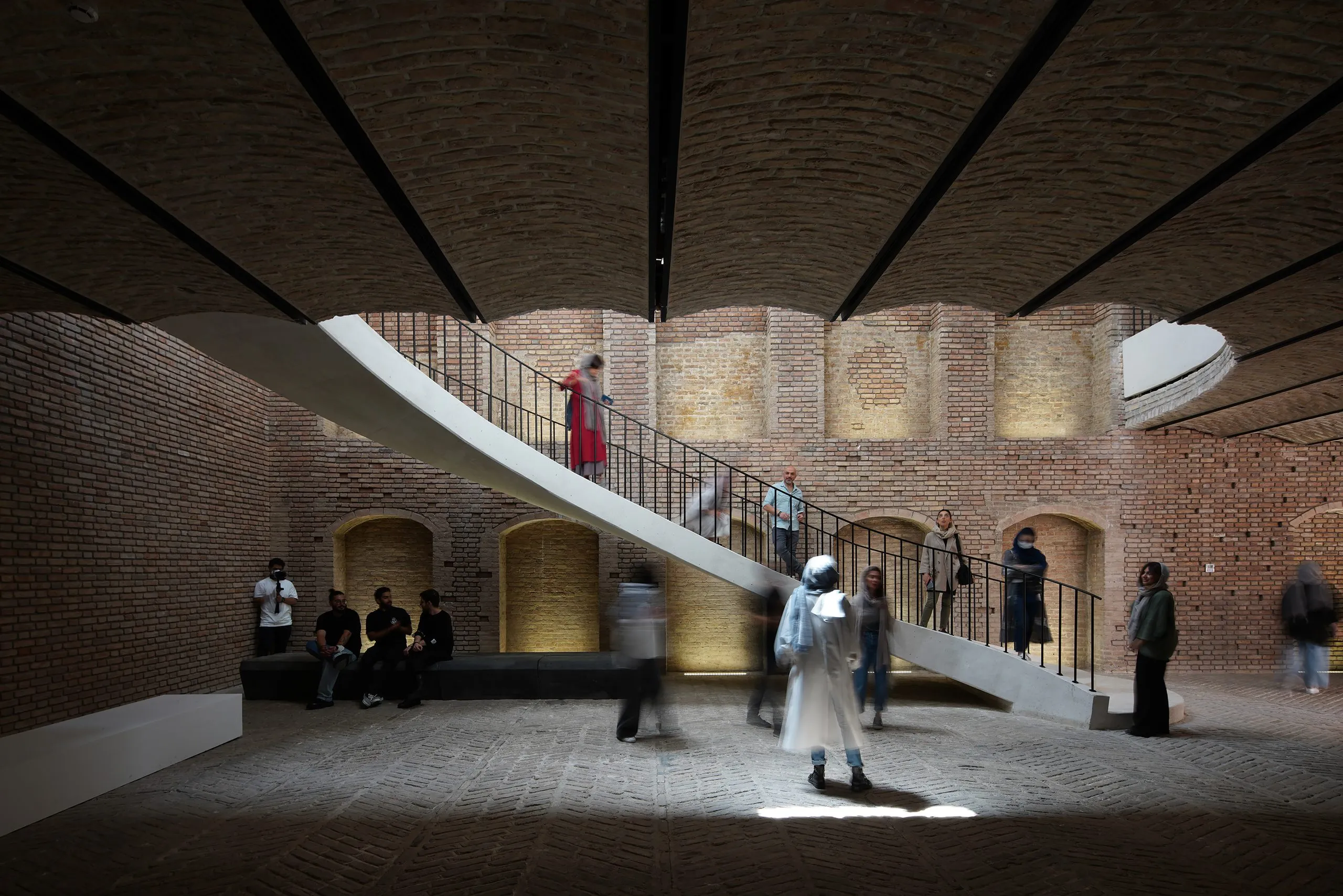
We are going through hard times. Perhaps this is the least favourable period in which to speak of "inspiring" architecture in Iran. But the fact that the Argo Contemporary Art Museum and Cultural Centre was honoured with the Aga Khan Award for Architecture in the 2022 cycle, and that the Jahad Metro Plaza and Majara Residence projects from Iran then won the same award in the 2025 cycle, reminds us of this: through all these years, with very little means, even under pressure and sanctions, we never lost our hope. We still believe in art, in beauty and in society. We wait for a day when we will sprout together again.
Banu Uçak: Thank you very much.
Ahmadreza Schricker: I thank you. Frankly, I very much enjoyed your questions, which were sincere and which made me think at length.
The architecture of turning back
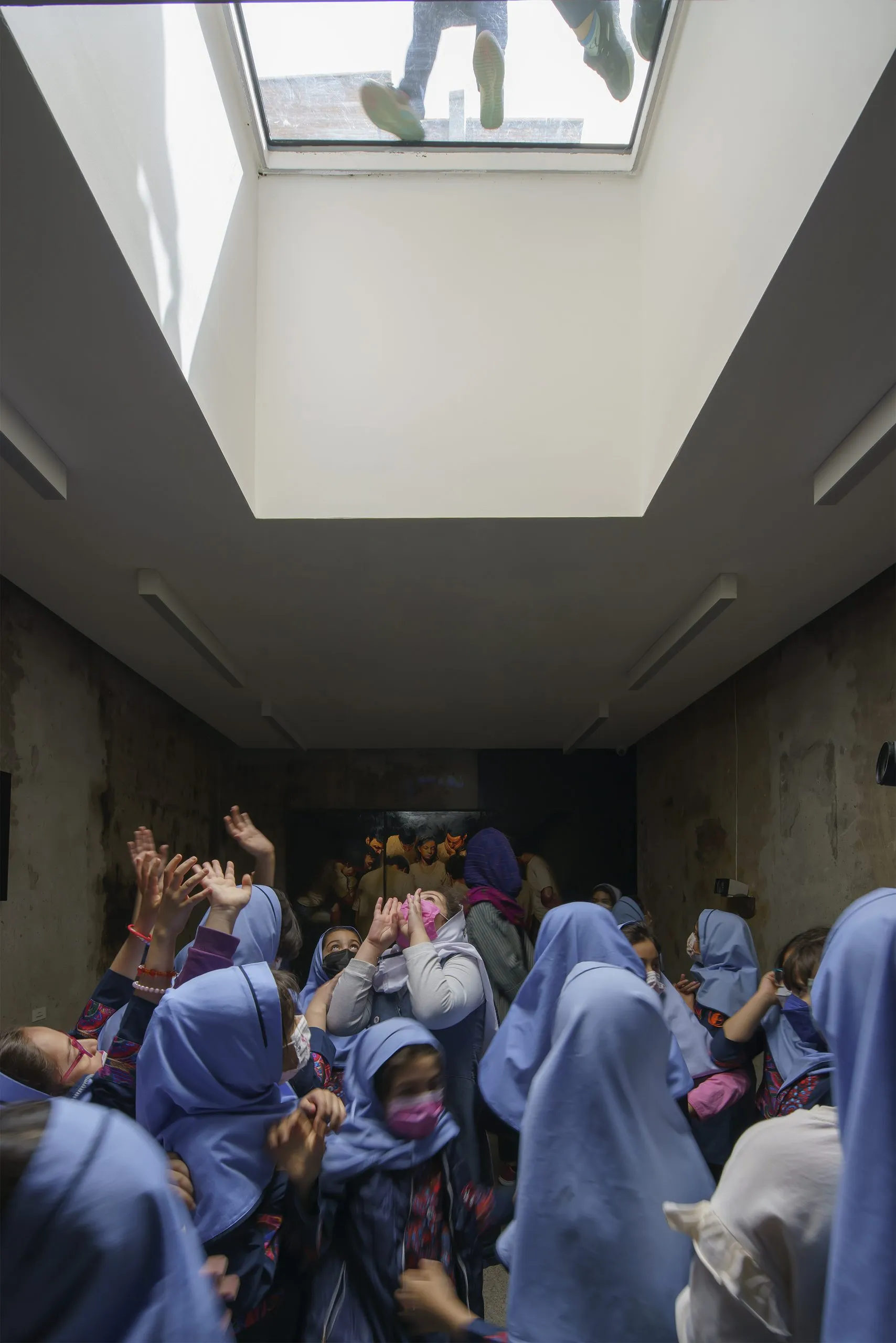
In the capital of a country where architecture must at every moment negotiate with politics, with history and with collective memory, the Argo Factory, reused and turned into a place of contemporary art in Tehran, gives hope to an incurable optimist like me. After 45 years, in a period when women too have begun to breathe again, and to feel the wind in their hair and on their skin, this small building also began to breathe by meeting art.
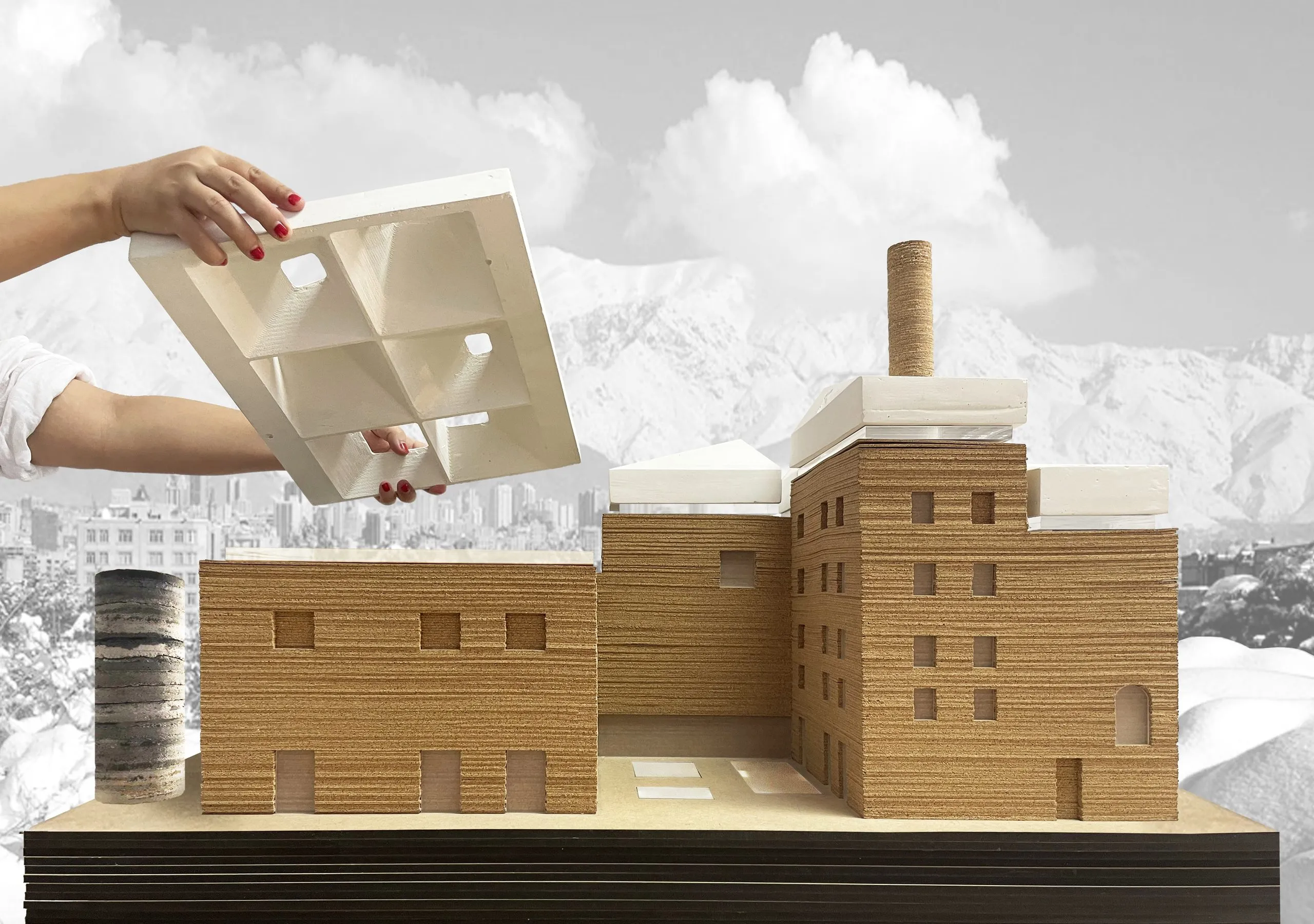
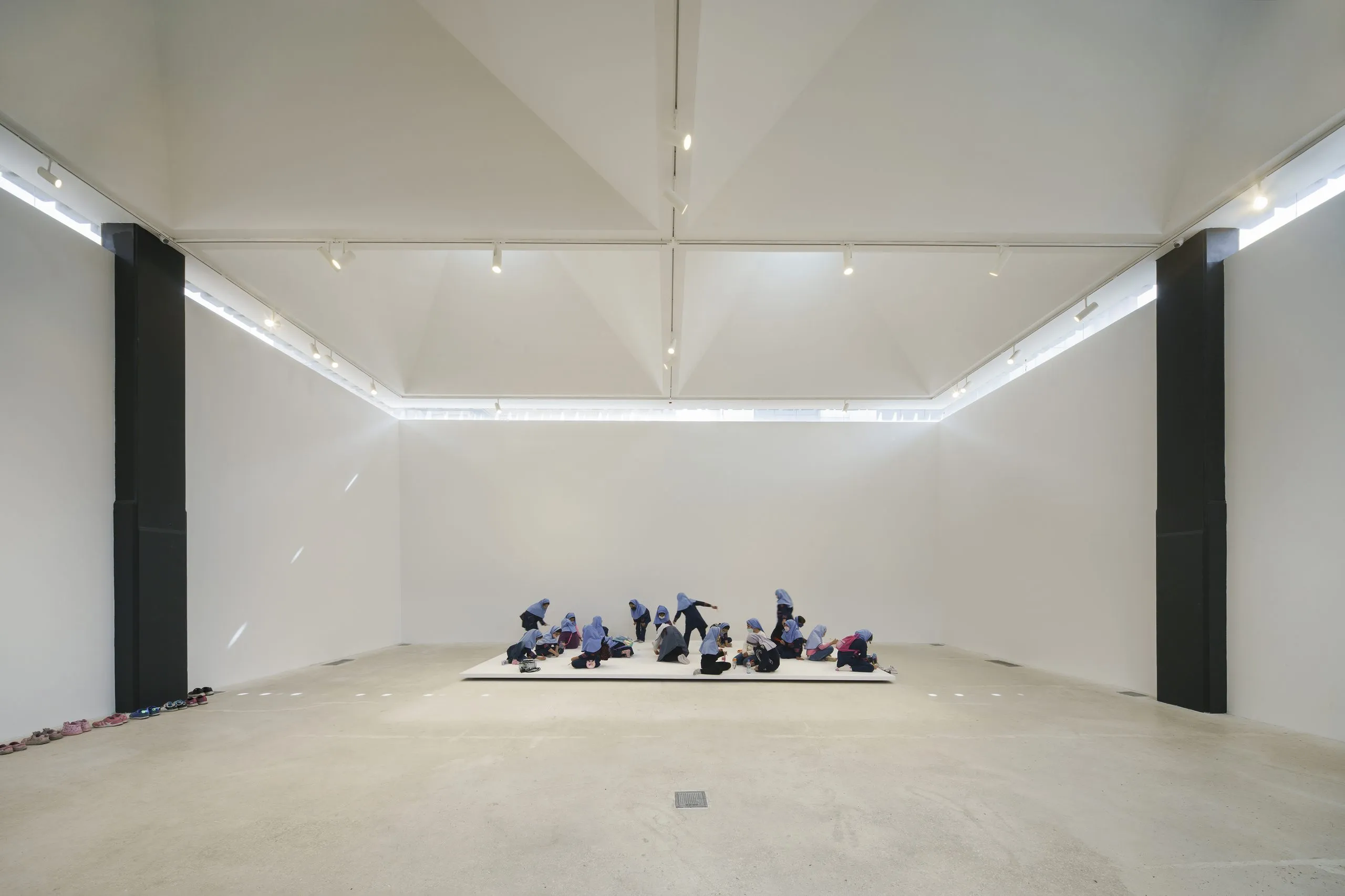
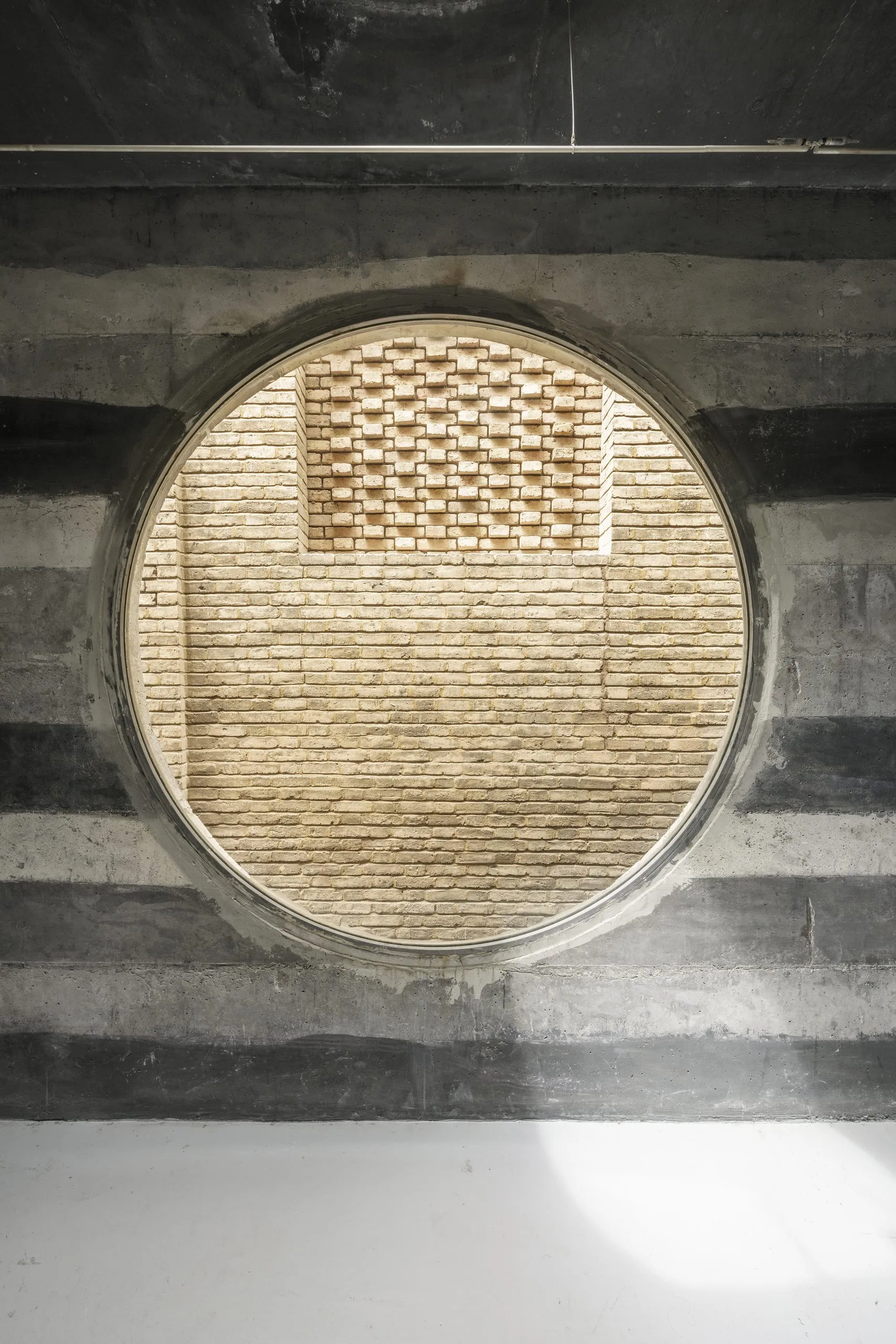
With an architecture that does not try to erase its past, and that instead chooses to speak with it, and sometimes even to listen to it, the approach of ASA North stands on a very fine balance built between power and humility. The new steel structural system, which settles quietly inside the old brick shell, lets the building come back to life. All of the contemporary interventions are legible. The roof, which filters the desert light, greets the past almost like a hat.
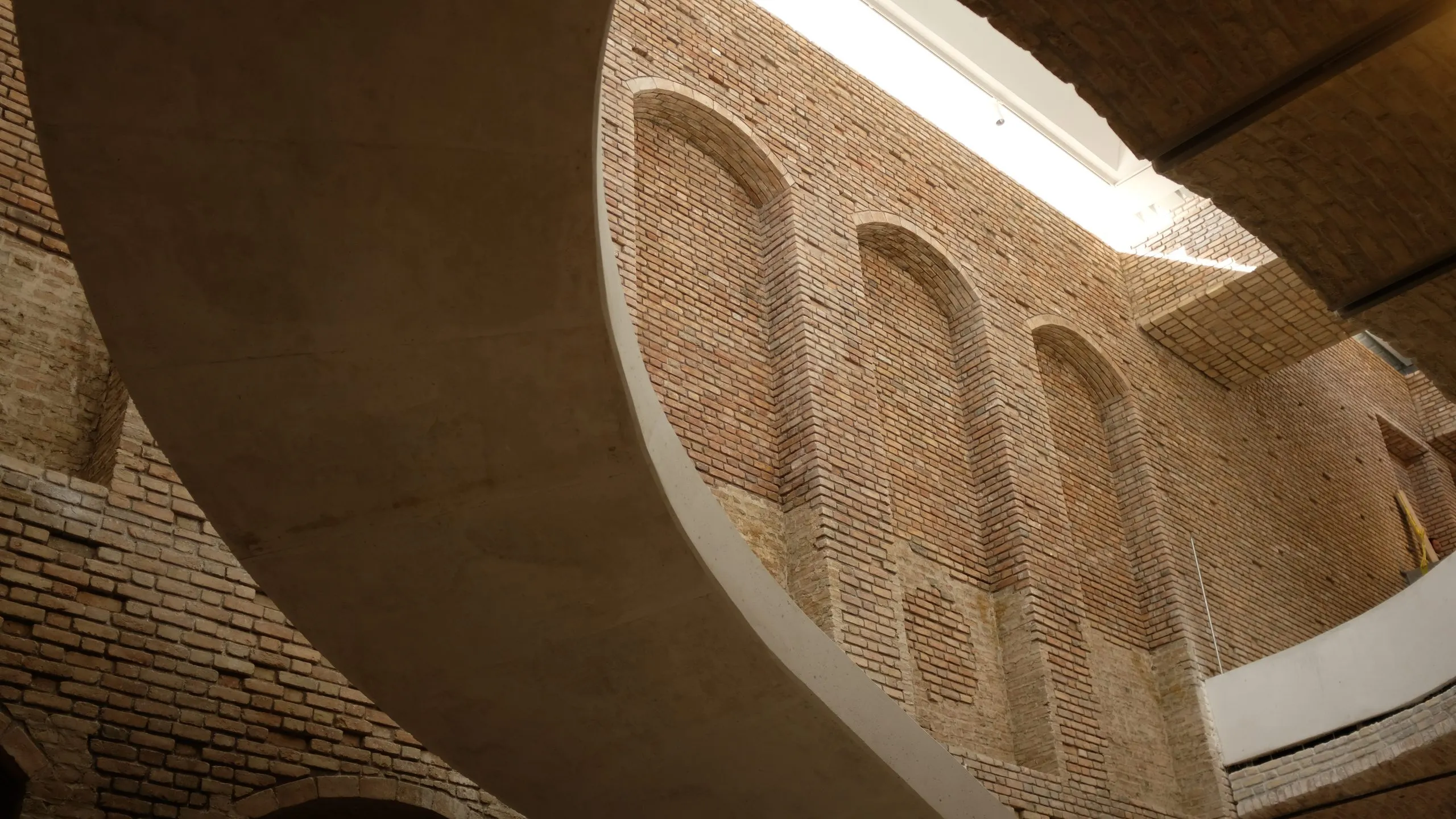
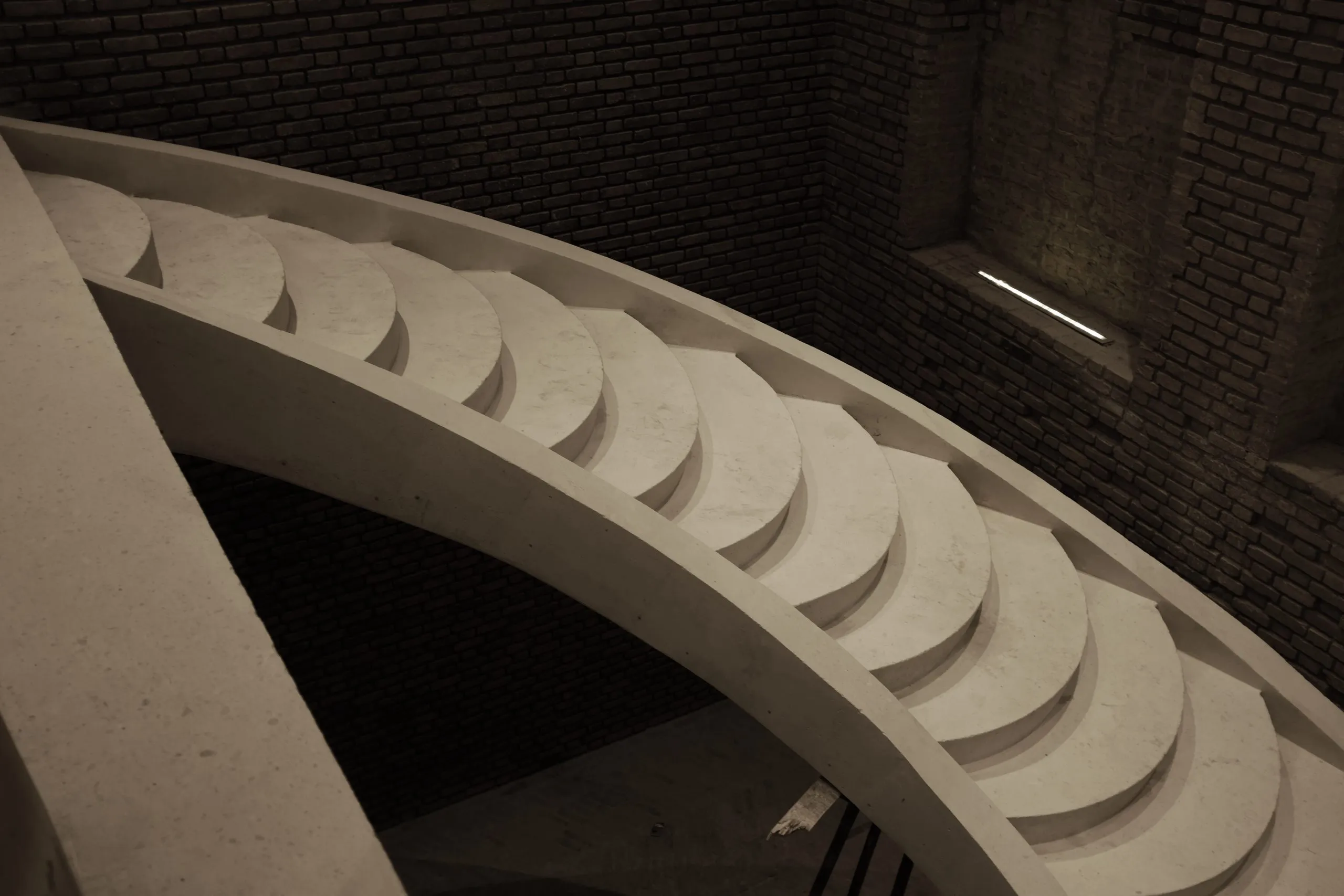
The Argo Contemporary Art Museum and Cultural Centre is a reminder that, however intense the pressure, and however long the isolation and the effort to make people forget, architecture can contribute to liberation by transforming the past.