The recent history of architecture in Türkiye, told by the architects who shaped it. In Ustalara Saygı, the seven-part series I developed and presented, I look at the people behind the buildings, their careers and the architectural culture of a changing country.
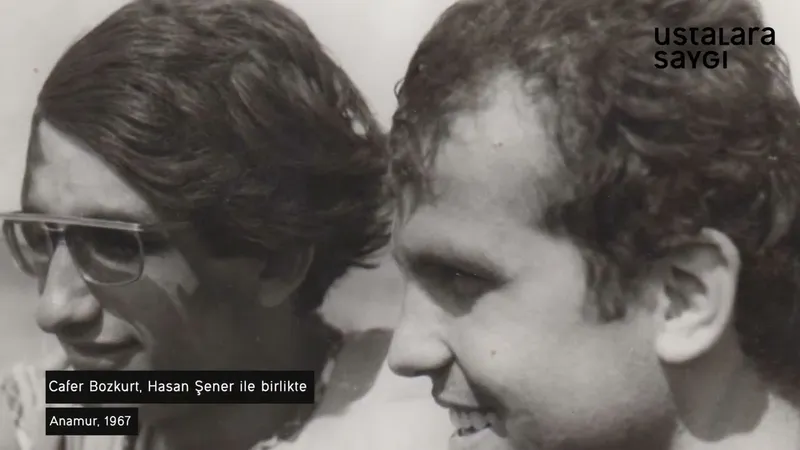
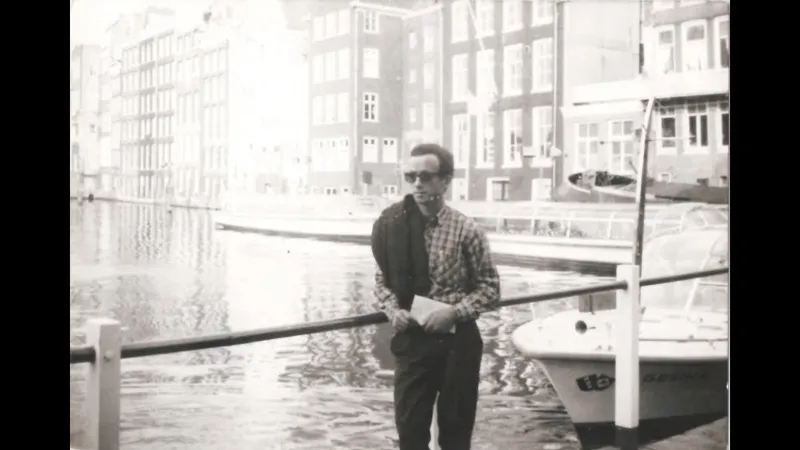
The architectural journey of Cafer Bozkurt covers a wide field, from designing new buildings to the conservation of the historic environment, and from professional organisation to architectural culture. This episode looks at the responsibilities an architect takes on while producing his own buildings and while making a relationship between the past of the city and its present.
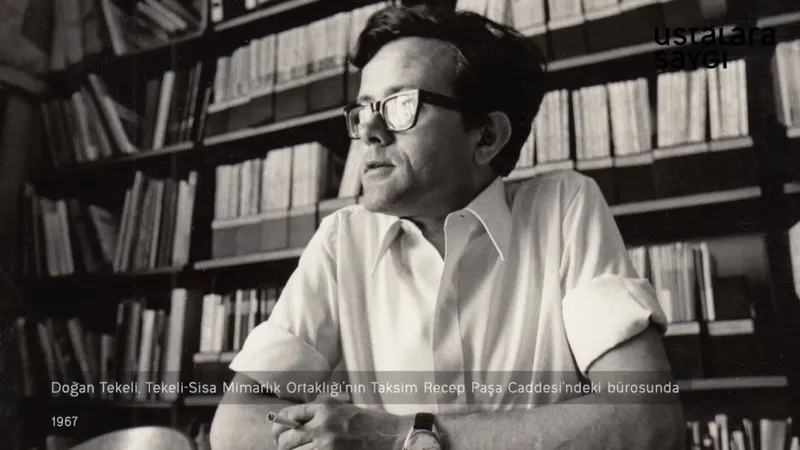
The professional journey of Doğan Tekeli, who witnessed the transformation of architecture in Türkiye from the 1950s to today, is also a history of competitions and of long architectural partnerships. Through the practice he developed with Sami Sisa, we remember why it is hard to think of an architect's work apart from the period that made it.
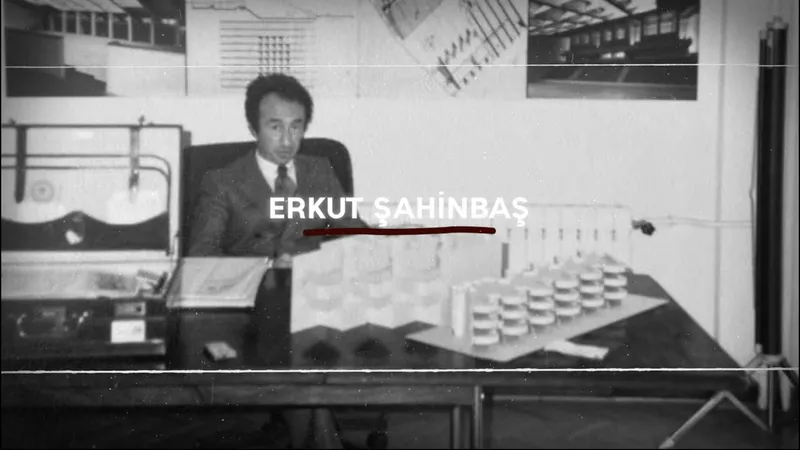
After his architectural education at ODTÜ, Erkut Şahinbaş developed his professional experience by working in Scandinavia. When he returned to Türkiye he took an active role both in design practice and in education. Through his story we look at how experience gained in different places feeds the way an architect thinks and makes.
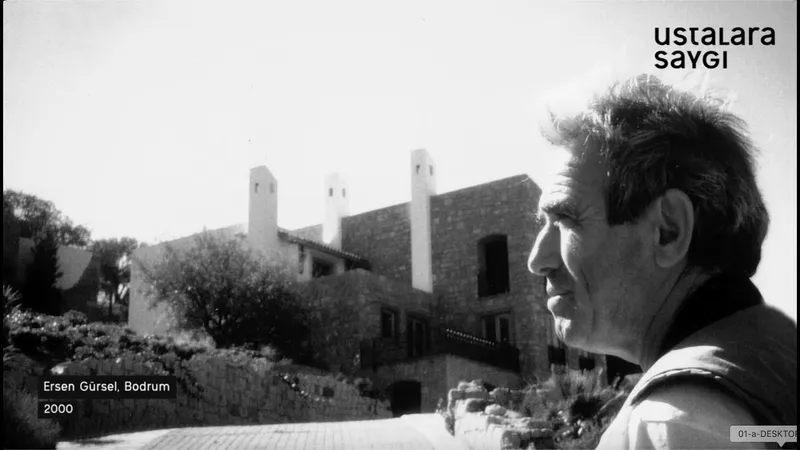
In the architecture of Ersen Gürsel, a building cannot be thought apart from the city and the place where it stands. Through his work in urbanism, questions of conservation, and years of practice at EPA Mimarlık, we talk again about architecture as thinking about the future of a place, not only as designing a building.
The academy, competitions and private practice. The journey of Ertun Hızıroğlu from the 1970s to today is also a chance to see how an architectural office grew through changing scales and ways of working. Through the founding and growth of ERA, we think together about the production and the organisation of the profession.
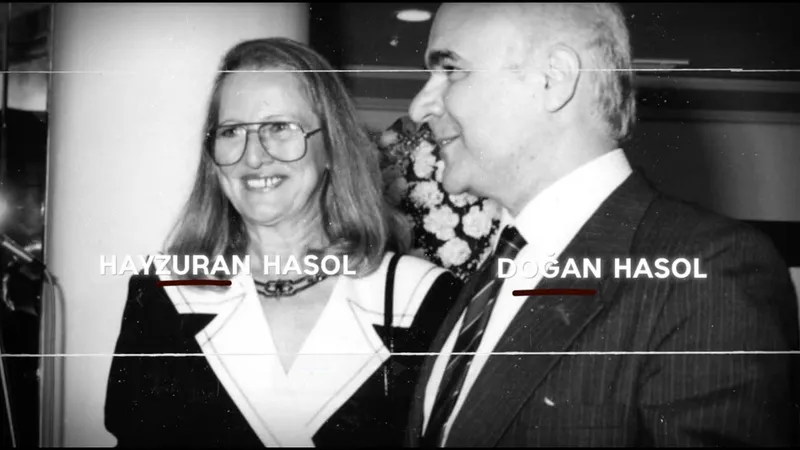
The shared architectural journey of Hayzuran and Doğan Hasol is a story of practice that runs from 1963 to today. Beside the founding of HAS Mimarlık and an architectural practice that continues in the family, Doğan Hasol's work at Yapı-Endüstri Merkezi and in publishing shows that architecture also grows by sharing knowledge, not only by producing projects.
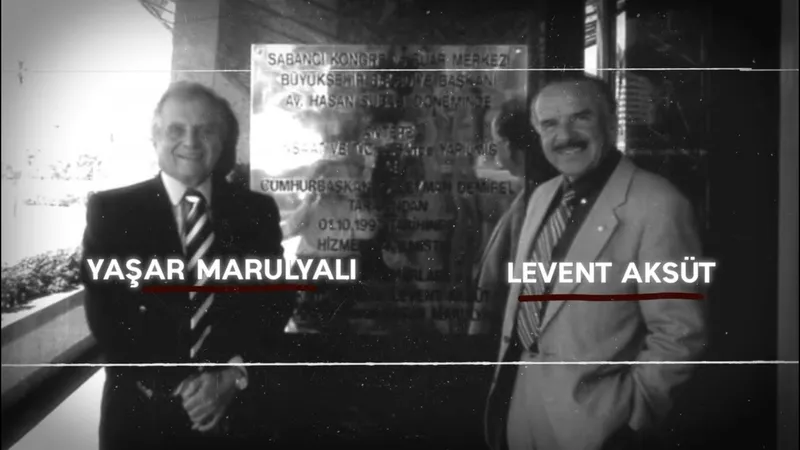
An acquaintance that began in the studios at İTÜ became UMO Mimarlık in 1955, and a partnership that lasted for decades. The story of Levent Aksüt and Yaşar Marulyalı invites us to think, in one frame, about the culture of competitions, the continuity of making work together, and the growth of steel construction in Türkiye.