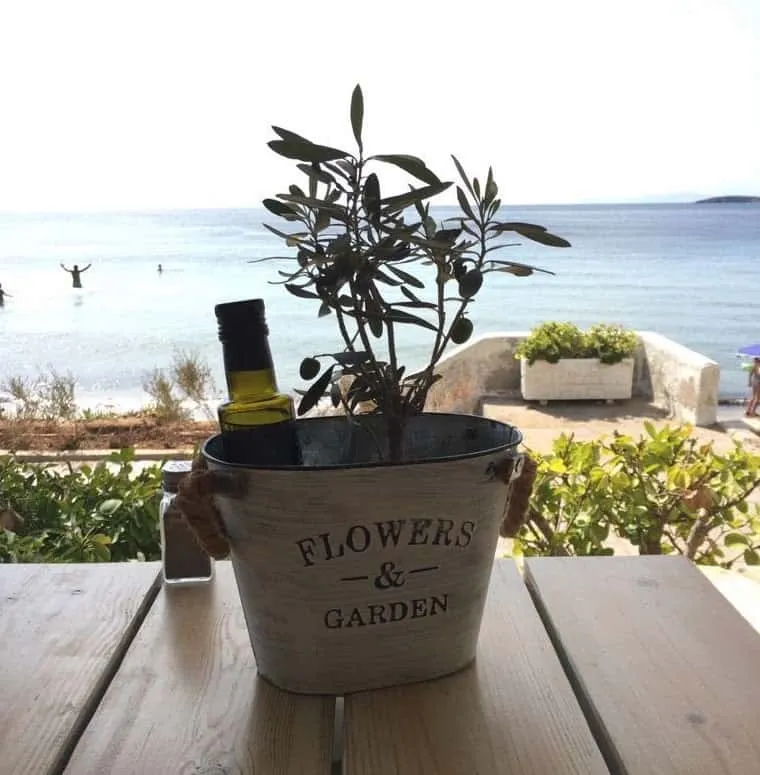
I spent the weekend in Athens on a blessed errand, the wedding of a friend I love very much. Every time I go to Greece it brings a familiar, nostalgic calm. This weekend, in Vouliagmeni, twenty minutes from Athens, I turned in an instant back to the quiet summer resorts of my childhood, and found myself in a land of fatherly shopkeepers, wooden tables, small local businesses, good food, calm beaches and slow-flowing time. Anyone who has been to Greece knows. When you speak Turkish, someone older is sure to come to your table, eyes shining, and in broken Turkish will greet you and bring up Istanbul. In the tone of voice you can almost feel that they are proud to be speaking Turkish.
Yesterday, while we were having lunch, Mihayil greeted us, with a handsomeness the years had not been able to wear from his face, and with the briskness of a man who has probably been at work since he first knew himself. Born in İmroz (Gökçeada), Mihayil went to school at Zoğrafyan and did his military service in Menemen. In the early 1960s he was a waiter at the Pınar Restaurant in Beyoğlu, famous at the time (across from the Dünya cinema, as he told it). By his account, in the Beyoğlu of those days, in a restaurant overflowing with the crowd coming out of the cinema and the theatre, they would write up 15,000 bills a day. Argentine beer was very popular, and one could not have enough of the taste of Beyoğlu. In 1982, with a friend's help, he emigrated first to Switzerland, then to Athens. He opened the restaurant where we were sitting. Every day there is, he still hunts octopus, and with his own hands he makes tarama, tzatziki and aubergine salad of which you cannot have enough.
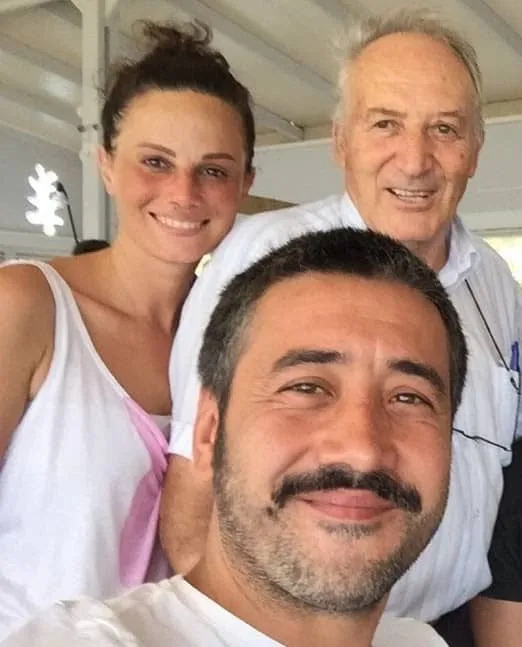
When I told him these places were beautiful, that he had done well, that he had made a peaceful, quiet life, he said, the light in his eyes shining with longing, "they are beautiful, but are Kireçburnu, Tarabya and Büyükada not beautiful?" I swallowed. I was ashamed to say that they are not, any more. I made do with a smile.
Lately, ever since the grievous state of Beyoğlu and İstiklal Avenue grew too bad to go on ignoring, it has been given a good deal of room in the press. İstiklal Avenue has turned into the street of a hollow crowd, cheap brands and poor food and drink, drawn as far as can be from culture and from art, emptied out. Writers and artists, the old regulars, people troubled by the way things are going, share the view that yesterday was the herald of today. They are quite right. But yesterday, I think, is a much older past than the one they mean. We lost beautiful people who had taken Türkiye for their homeland and Turkish for their language, who built the beautiful buildings that still warm us inside when we look at them, who did their military service here, lived here, married, and raised families. And what was left for us? As they went they took with them the sincerity, the simplicity and the beauty we remember with longing. We were condemned to hollow crowds, and they to longing. Every morning on the Athens Riviera, Mihayil hunts octopus and makes delicious meze with his own hands. He still believes Istanbul is as magical, and as beautiful, as the city he left. Turkish may remind him of a first love of his youth, or of a first wage, of the mother he lost, of his father. Let the Istanbul of at least some of our dreams stay beautiful, for we have gnawed at the city until it can no longer be recognised.