(An autumn tale in Berlin)
Berlin in autumn, above all when the sun is out, is a beauty one cannot have enough of. Leaves turning from gold to yellow seem to drift down from the sky in slow motion. According to figures City Forum published in 2018, public space and parks make up 2 percent of the area of Istanbul, while in Berlin, where there are far fewer people to each square metre, the share is 14.4 percent. The parks, each lovelier than the last, and the feeling of open space, are therefore among the most important parts of the Berlin experience.
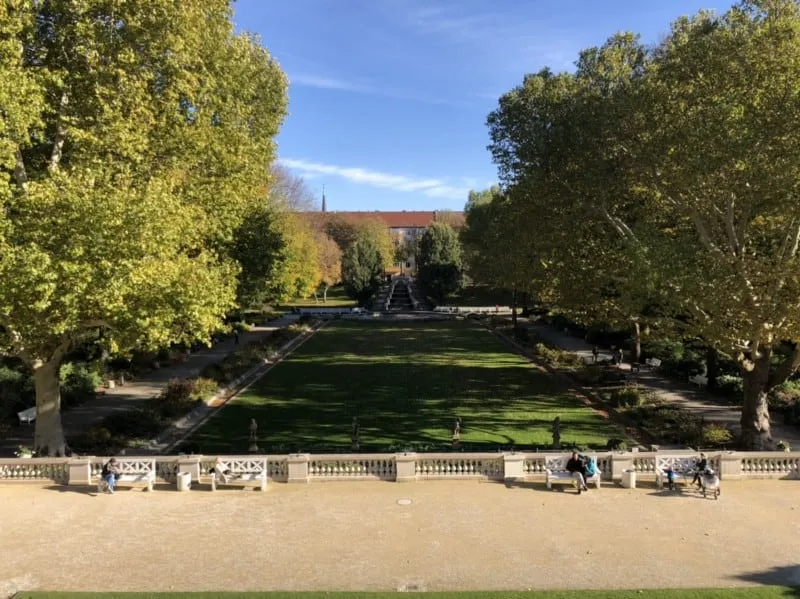
Of the dozens of beautiful parks in the city, the one I love best is Körnerpark in Neukölln, still an immigrant neighbourhood even as it changes. Körnerpark, which in 2016 marked its hundredth year with a hundred days of events, lies in a sunken square among housing blocks designed for immigrants and workers, above all Ilsenhof, one of Berlin's first examples of modern social housing. With a different atmosphere in every corner, a Baroque garden layout, great trees, a pleasant cafe, a pool and an art gallery, the park is a jewel within the city.
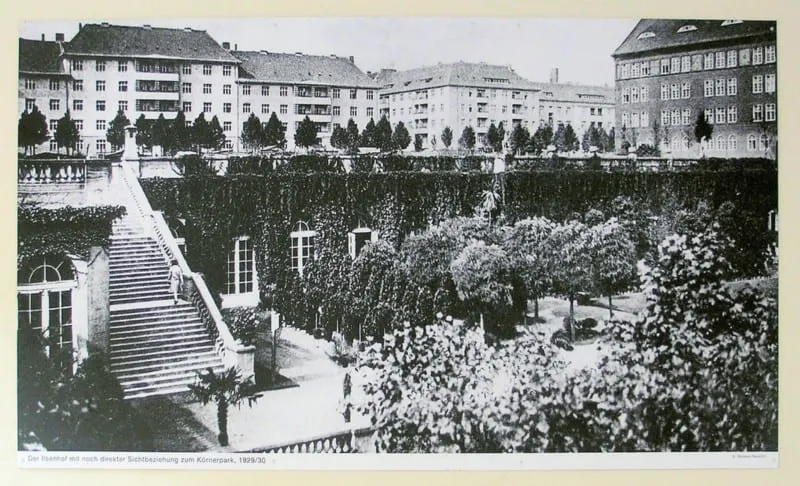
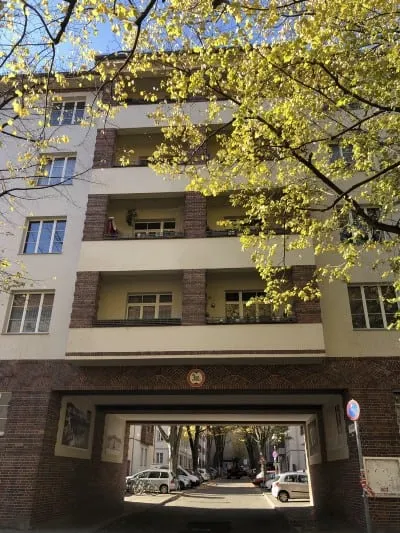
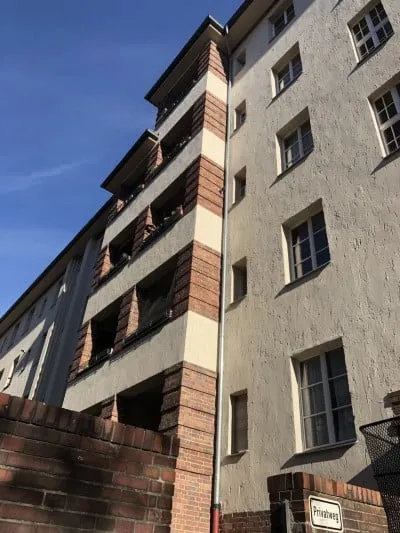
The Ilsenhof housing block and Körnerpark, 1928. Very little has changed from that day to this.
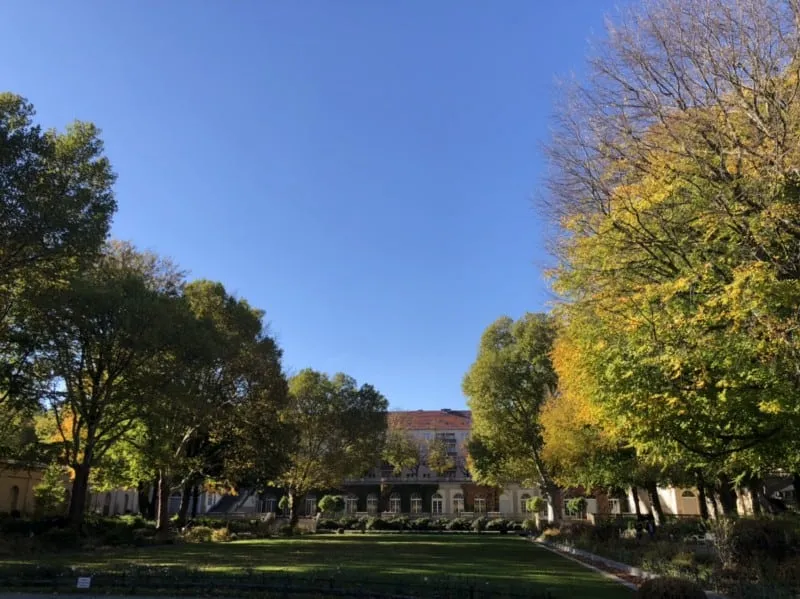
Ilsenhof and Körnerpark, 2018
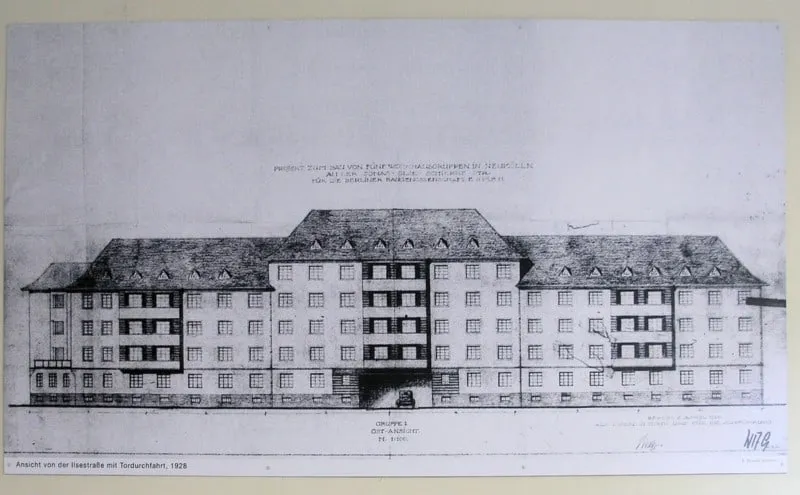
The Ilsenhof housing block, of 182 units, was designed in 1928 by the architect Hans Kraffert, as one piece with the park. Thanks to the cooperative its architect founded while designing it, the block and its tenants can still live in a setting of quality, untouched by speculative rents.
In this period, when the forces of capitalism crush the individual as they pass, a place this beautiful can still be used freely by people of modest means only through a healthy civic organisation, as well as through good design, planning and architecture. When the subject is the quality of a city, it is not enough to speak of architecture alone, nor of culture, nor of administration. These ideas are woven through one another like a complex net. When they place order and the human being at the centre, one sees plainly how enchanting the result is, and how it supports social peace. Even to imagine the like of it for my own country is a lovely thing.
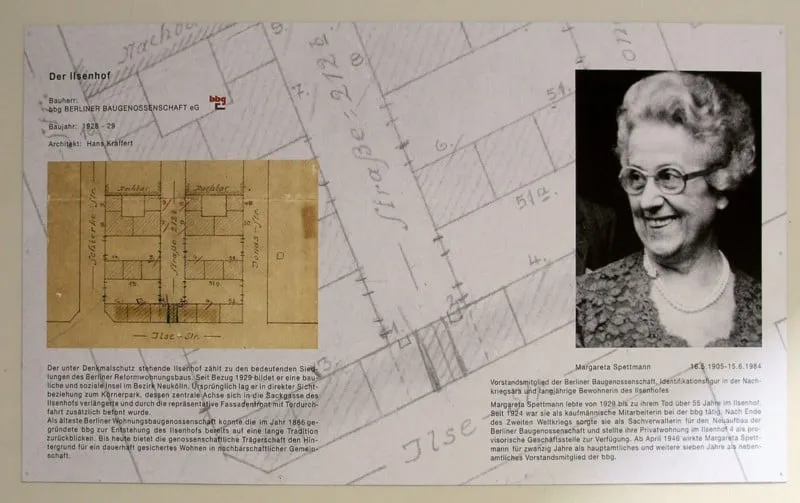
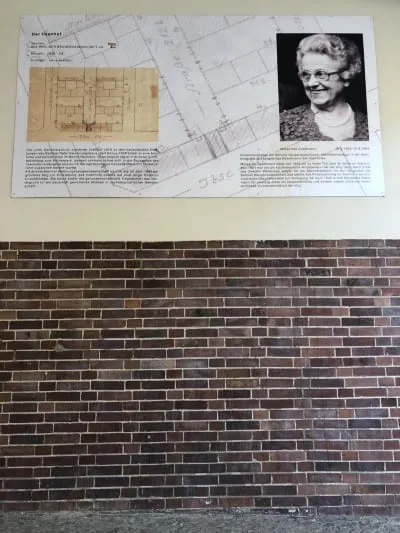
A sample plan of about 70 square metres, and Margaretta Spettmann, a resident who has spent nearly her whole life working year-round for the Ilsenhof cooperative. That these images hang in the entrance warms me besides.