When I began writing Yalın Şeyler, I wanted to discuss Yalın Mimarlık’s work through the fundamental concepts of architecture. From the outset, I also hoped the book would open these questions to other people’s experiences and help create a space for conversation and debate within architecture.
From the day I agreed to write the book, I had imagined inviting my friend and communications consultant Sibel Keyvan to join us at the table. Sibel and I have worked together since our days at Yapı-Endüstri Merkezi. With her joining the team and taking on the coordination, Ömer Selçuk Baz and I were able to develop this shared idea into a wider programme of events.
We wanted to discuss the concepts explored in the book inside buildings designed by Yalın Mimarlık. We imagined bringing architects together with people working across arts and culture, and with journalists who could take these conversations to a wider audience. We wanted to create settings where different perspectives could inform one another, where we could develop our ideas and open up new possibilities.
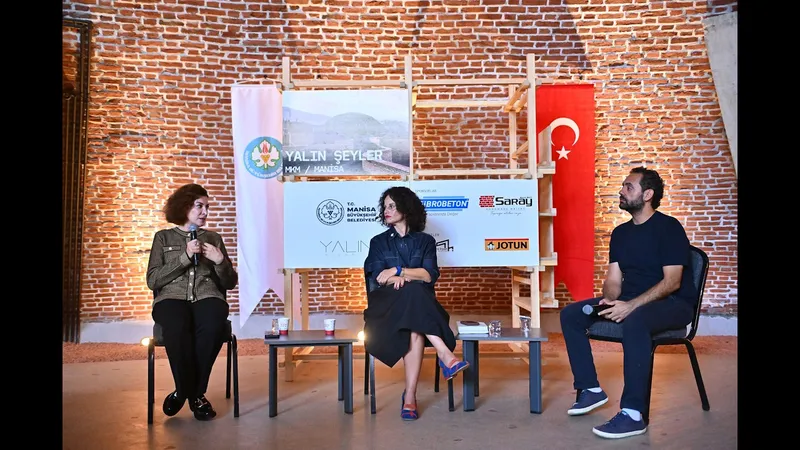
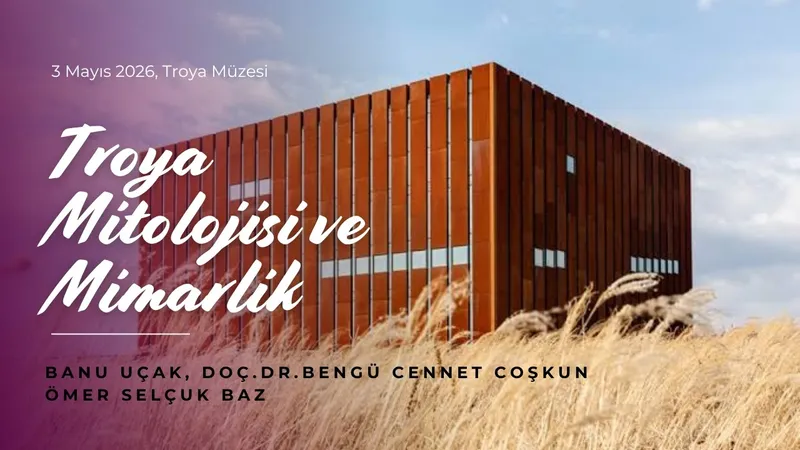
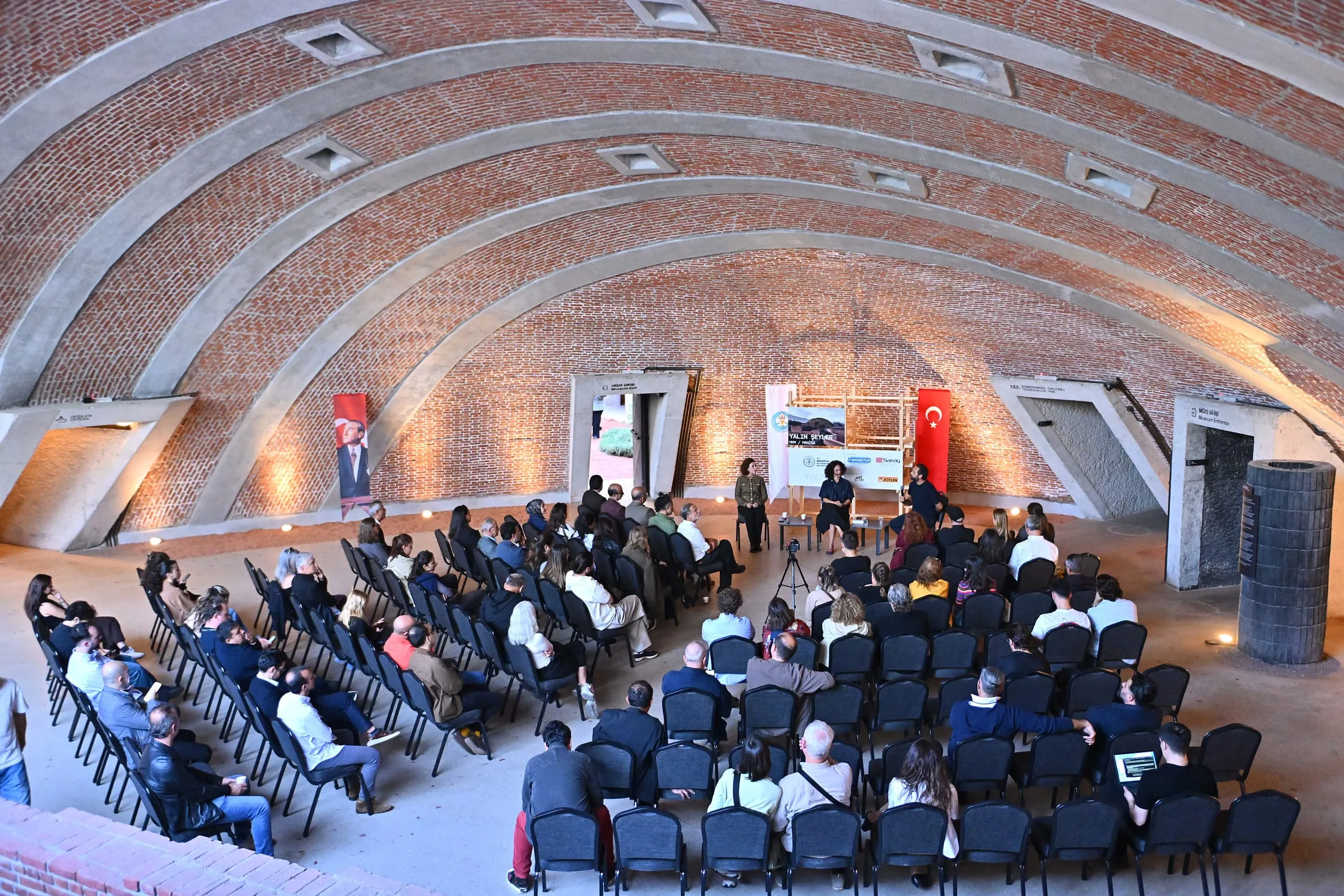
The book launch at Salt Galata was a joyful, memorable gathering where we tried to give a sense of this ambition. We then came together with architects and journalists at the Troy Museum in Çanakkale and the Manisa Liberation Museum. Together, we experienced the geography and cultural context that had shaped these buildings. This gave me the chance to discuss the importance of context in architecture, something I had tried to convey in the book, while standing within that very context.
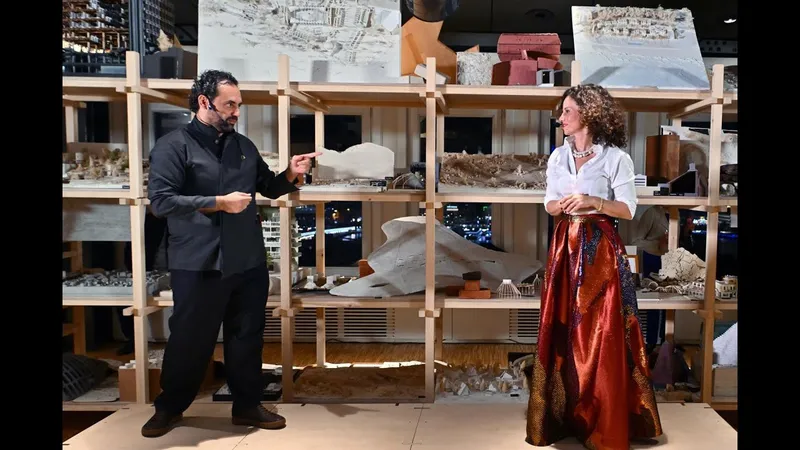
The visits and talks carried conversations that began with the book into buildings, museum gardens and places of production. Our gatherings were accompanied by Yalın Şeyler exhibitions curated by Heval Zeliha Yüksel. Through sketches, models and working notebooks, we tried to make the knowledge and experience built up within the practice visible, and bring it into the discussion.
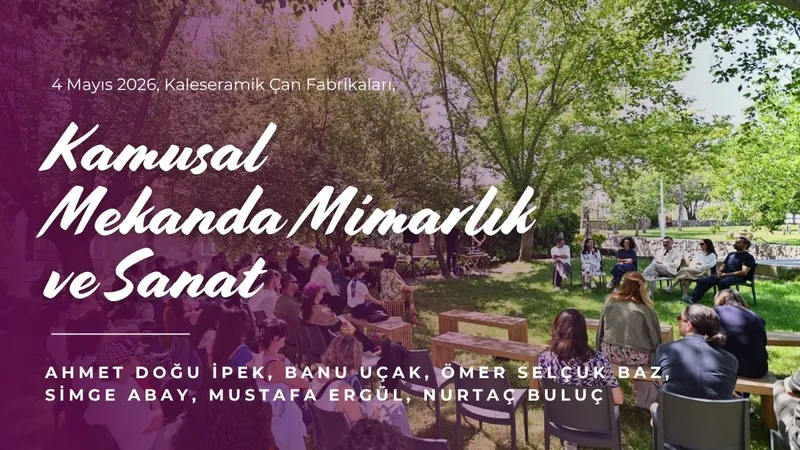
At the Troy Museum, we discussed the relationship between mythology, memory and architecture. At our supporter Kalebodur’s Kaleseramik production facilities in Çan, we focused on the relationship between public art and architecture, and on artists and architects working together. In Manisa, we explored how a story can be told through space, taking the Manisa Liberation Museum as our starting point. We discussed the symbolic meanings of the building with its curator and architect. Throughout these visits, we tried to read the buildings alongside the history and geography of their settings.
The gatherings continue to develop the space for sharing ideas and meeting others that I imagined while writing Yalın Şeyler. As I write, it has been almost a year since its publication. The first print run has sold out, and the second is now in bookshops. We aim to continue this dialogue through future gatherings.